Teen Screen Addiction: TikTok Settles Historic Alabama Lawsuit
A historic settlement forces TikTok to limit teen screen time, underscoring the urgent need for calm digital tools focused on real utility.
Editorial watch: current events put in perspective with the sovereign agentic platform. Short articles, verified sources, operational angles.
A historic settlement forces TikTok to limit teen screen time, underscoring the urgent need for calm digital tools focused on real utility.
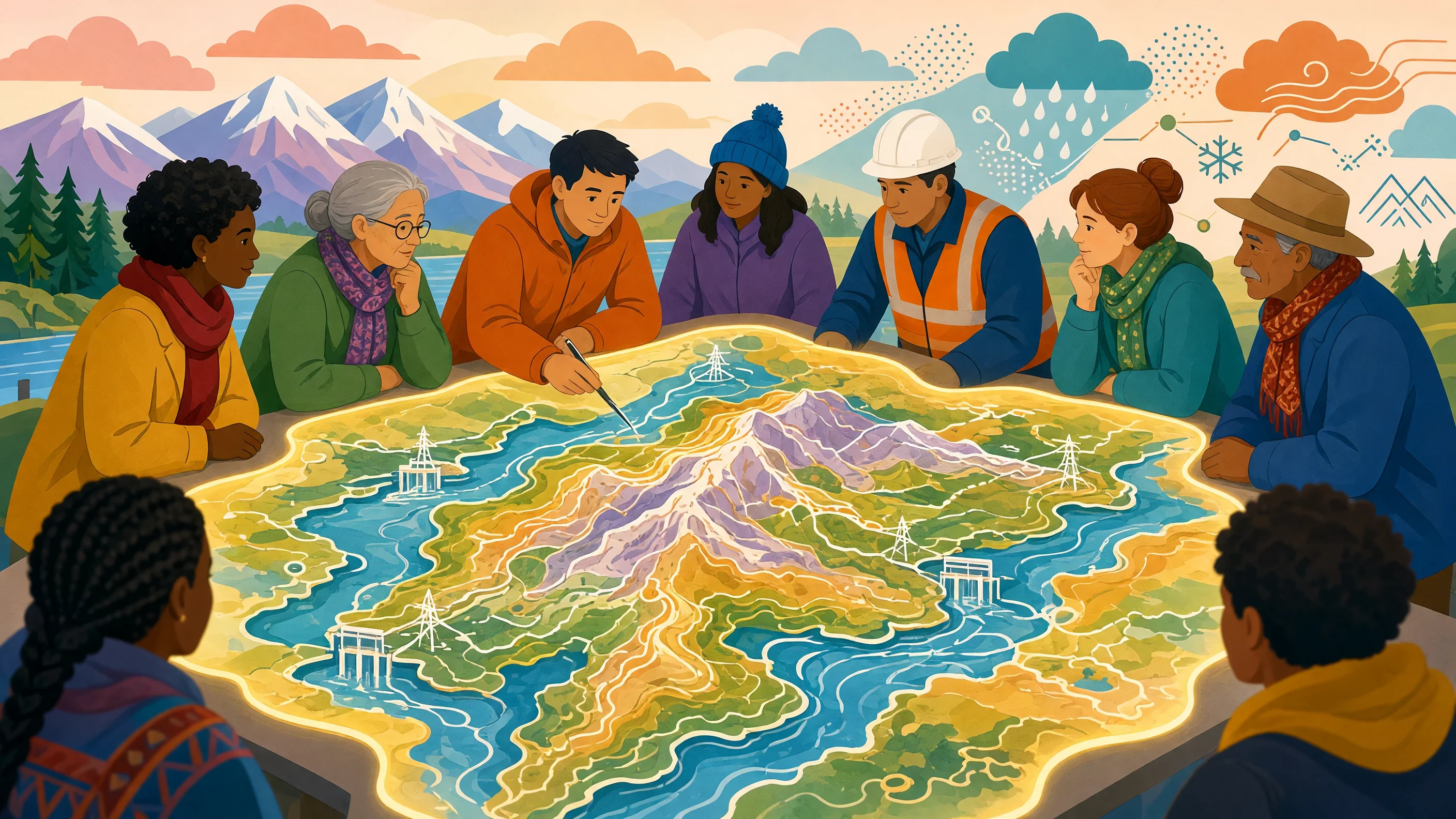
A citizen mapping project reveals 84 data centres in Quebec. Yet hosting foreign servers neither protects against the Cloud Act nor guarantees digital sovereignty.

As Google's Project Suncatcher aims to send AI chips into orbit, local WebGPU inference and lean orchestration provide an immediate, earthbound alternative.

The controversy over Thélyson Orélien's novel highlights the flaws of AI detectors. Faced with probabilistic scores, only traceable writing history provides proof.

A critical flaw in Meta's Muse agent highlights the severe security risks of granting native operating system privileges to desktop AI assistants.

With twenty nations calling for stricter AI oversight, human control must be built directly into software design through Socratic tutoring and systematic validation.

Apple's $250M settlement highlights the risks of tying AI to hardware upgrades, a model challenged by open software orchestration.

Google opens smart home tech to the MCP standard. As AI agents gain physical control, security depends on strict API contracts and full traceability.

Following user pushback, Microsoft is easing the mandatory Copilot key. It is a clear reminder that software assistance should remain an intentional, bounded choice.

Recent AI rollouts exclude millions of functional devices. Quebec's Boréal-OS and ProductivIA ecosystem offers a sober, sustainable alternative.

As Meta weighs replacing professional fact-checkers with community notes, verifiable documentary traceability has never been more critical.

True competence under Canada's AI Literacy Initiative requires evaluating and comparing models rather than relying on a single commercial platform.

Deploying AI agents to manage email and calendars raises profiling concerns. Siloed data partitioning offers a viable alternative.

The PISA 2025 report warns against academic decline linked to passive AI use. ÉtudeIA and Base documentaire restore Socratic tutoring to keep students thinking.

As the UN warns of losing control over opaque models, practical governance relies on sovereign infrastructure with Matania and transparent data in Nuage.

The sale of millions of driver's licences on the Dark Web highlights the vulnerability of centralized databases. Local compartmentalization is becoming a vital defence.

Community bypasses of NVIDIA DLSS 5 limits show the need for interoperability, a core principle that ProductivIA builds directly into its application architecture.

In the face of forced phone upgrades and app store monopolies, the web browser is emerging as the ultimate safeguard for software sovereignty.

In the face of media cuts, structured feeds and controlled regional news generation offer new pathways for maintaining local community information.

VIA Rail's historic fleet renewal reveals a striking contrast with the rapid obsolescence of our computers. Boréal-OS shows that another path is possible.

Facing the forced release of war crimes archives in Canada, RAG technology is proving essential for exploring vast document collections while maintaining full sovereignty.

Faced with the race for costly chips, the rise of local AI via WebGPU proves that our web browsers are enough to gain independence and protect our data.

The unilateral renaming of Lake Ontario on Google Maps highlights the fragility of our shared milestones and the need for sovereign, locally anchored information tools.

As tech giants unilaterally raise their prices, the open architecture of ProductivIA and Boréal-OS offers a way out of financial dependency.

The passing of artist Yayoi Kusama highlights the creative role of hallucinations, which ProductivIA learns to constrain for accuracy and unleash for art.

From the grocery store to the server, local data traceability is emerging as a shield against foreign political and economic pressures.

Meta's $18-billion settlement highlights the dangers of the attention economy and the urgent need to design sober-by-default digital technologies.

Faced with SpaceX and Nvidia's orbital AI project, local execution via WebGPU and sovereign hosting demonstrate that a terrestrial alternative is possible.

A massive vehicle recall caused by faulty door handles illustrates the dangers of unnecessary complexity: a lesson in conceptual simplicity applicable to software.

TikTok's $400-million settlement highlights the flaws of data collection. Local-first architecture is emerging as a concrete solution for protecting minors.

ChatGPT's integration with iMessage illustrates the rise of agentic AI, but raises serious privacy challenges. A sovereign, siloed approach offers a secure alternative.

As the Meta trial exposes the excesses of the attention economy, ProductivIA promotes functional sobriety through its GoIA and EtudeIA applications.

To address the risks of emotional attachment in teenagers, ProductivIA offers an alternative based on strict neutrality and a refusal of anthropomorphism.

Faced with the energy pressure of AI data centres in Canada, local execution via WebGPU is emerging as a practical alternative for digital sustainability.

India's initiative to train ten million youth in AI highlights the need for lightweight, decentralized educational tools, a philosophy embodied by the EtudeIA app.

AI promises to transform spreadsheets into interactive applications. However, ensuring data durability and security requires a true no-code architecture.

An analysis of Cory Doctorow's vision for an AI free from monopolies, contrasted with ProductivIA's open and interoperable architecture.

The phase-out of Google Assistant in favour of Gemini highlights the limits of generative models for daily tasks, a challenge solved by ProductivIA's orchestration.

While manufacturers link AI creation tools to expensive smartphones, browser-based alternatives are democratizing these technologies.

In the face of climate crises and technological obsolescence, repurposing existing assets is essential. An analysis of digital sobriety, from heavy equipment to computers.

As Europe and India challenge the publishing role of Meta's algorithms, the future of public information relies on neutral, verifiable aggregation tools.

Meta's historic ruling in New Mexico highlights the dangers of persuasive design, prompting a rethink of digital learning environments.

As tech giants roll out costly AI hardware, a universal and sovereign software approach is needed to make the most of our existing screens.

The phase-out of Google Assistant in favour of Gemini illustrates the fragility of proprietary tools and highlights the importance of decoupled AI orchestration.

As retail giants capture health data, ProductivIA's secure architecture and Nuage application guarantee a profiling-free environment.

The abrupt withdrawal of a generative AI tool in Google Earth reveals the danger of mixing real data with simulations, highlighting a critical digital traceability issue.

As tech giants plan paid subscriptions for their AI assistants, ProductivIA's open orchestration offers a neutral and balanced alternative.
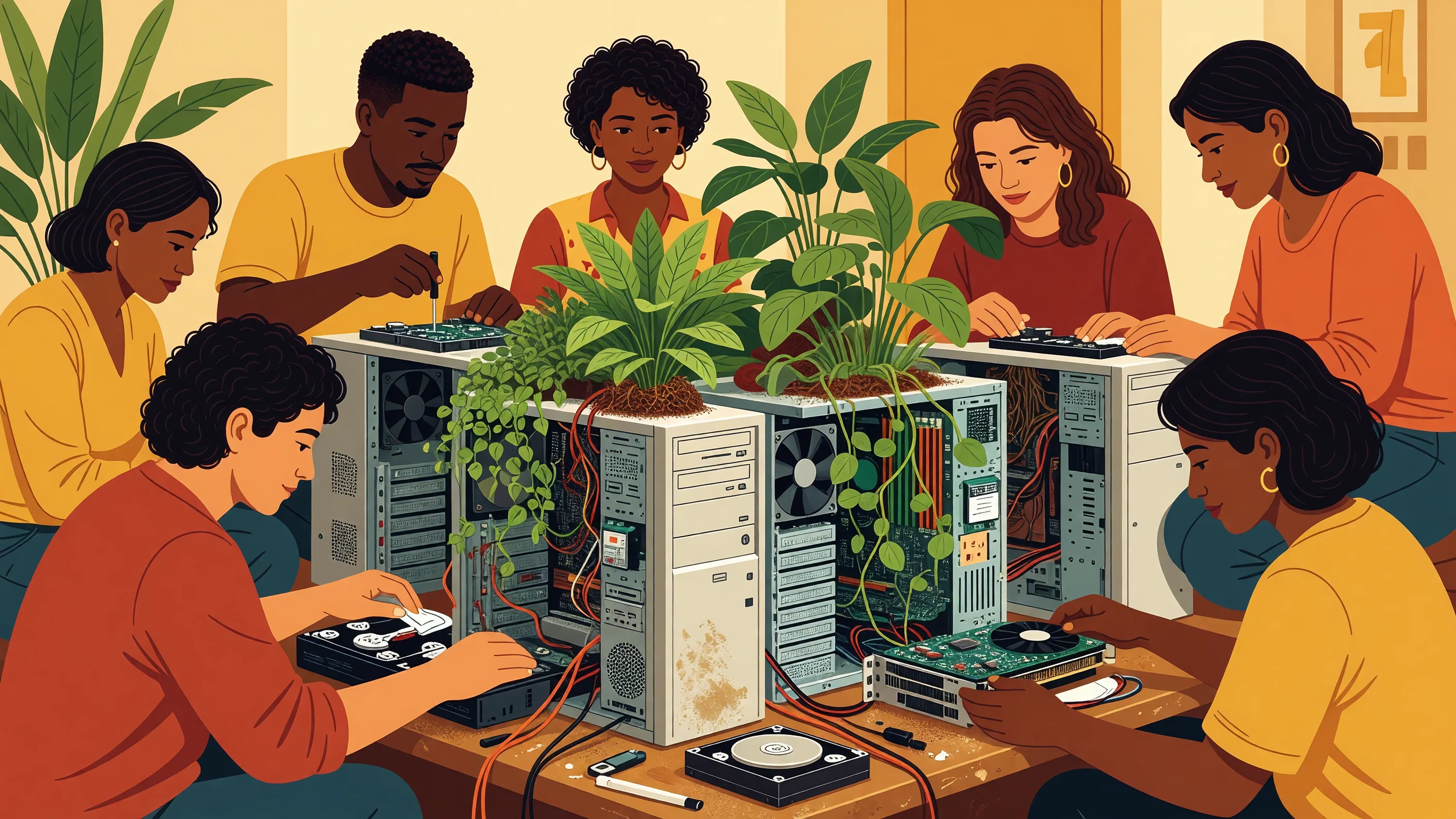
In response to Apple's new leasing program, Quebec's sovereign ecosystem offers a sustainable alternative: reviving existing hardware with Boréal-OS and ProductivIA.
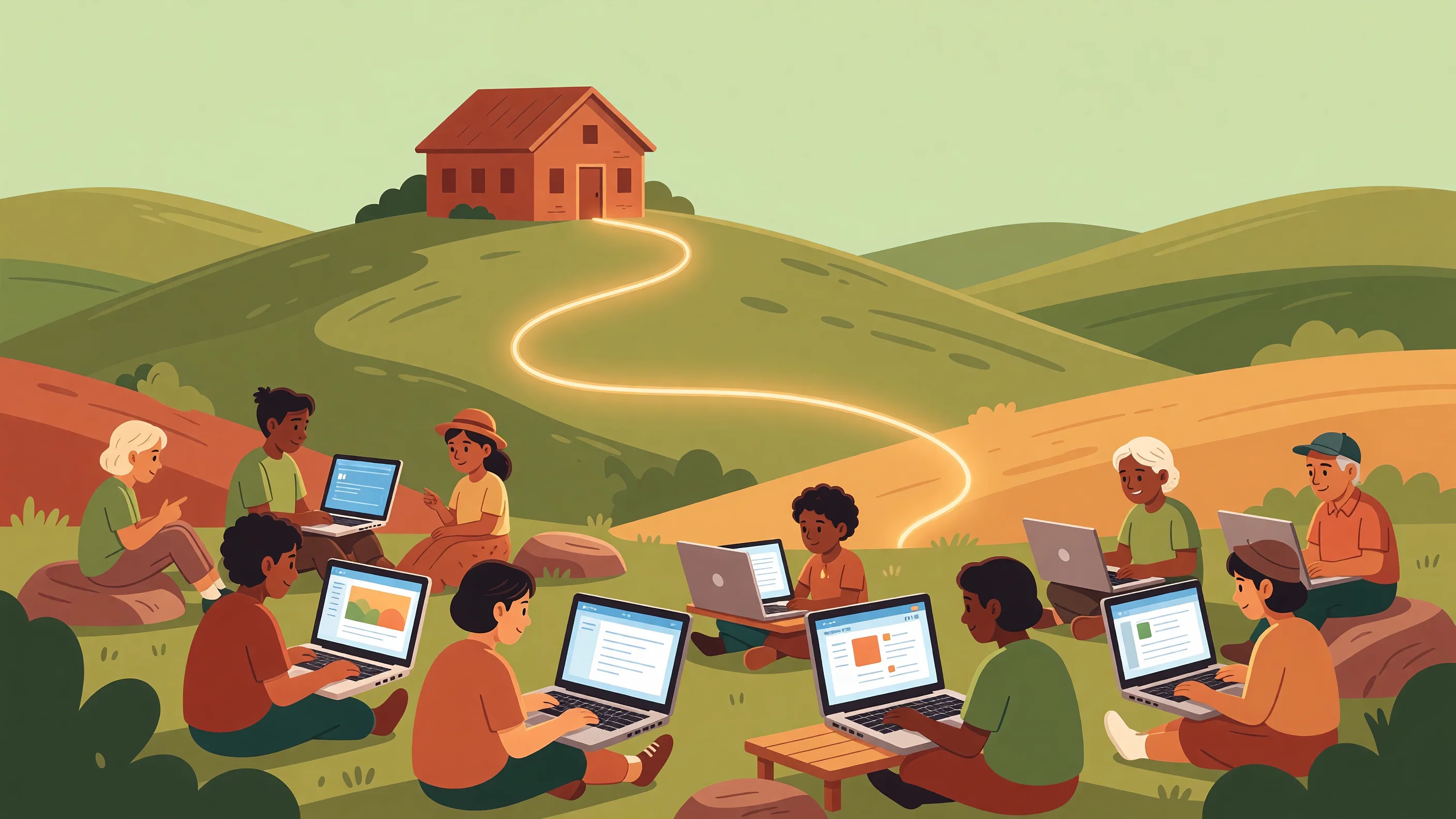
Bringing fibre optic internet to rural areas is meaningless if software obsolescence forces PCs into landfills. Boréal-OS and ProductivIA offer a sustainable alternative.

With the EU raising concerns over TikTok, secure and isolated environments are essential. ProductivIA addresses this challenge in schools with Nuage and EtudeIA.

Google's introduction of video selfies for account recovery raises questions about biometric sovereignty. ProductivIA offers an alternative without intrusive data collection.

The European Union's historic ruling against Google highlights the dangers of closed ecosystems and the urgent need for neutral technological orchestration.

The deployment of Google's AI summaries is redefining online search. In response to this centralization, ProductivIA offers a respectful alternative through its News app.

In response to price hikes by tech giants, ProductivIA's Nuage application offers a transparent, sovereign alternative to help organizations regain control of their data.

As the Strong Canada Fund sparks debate over public debt, a frugal software approach proves that technological autonomy is already within reach.
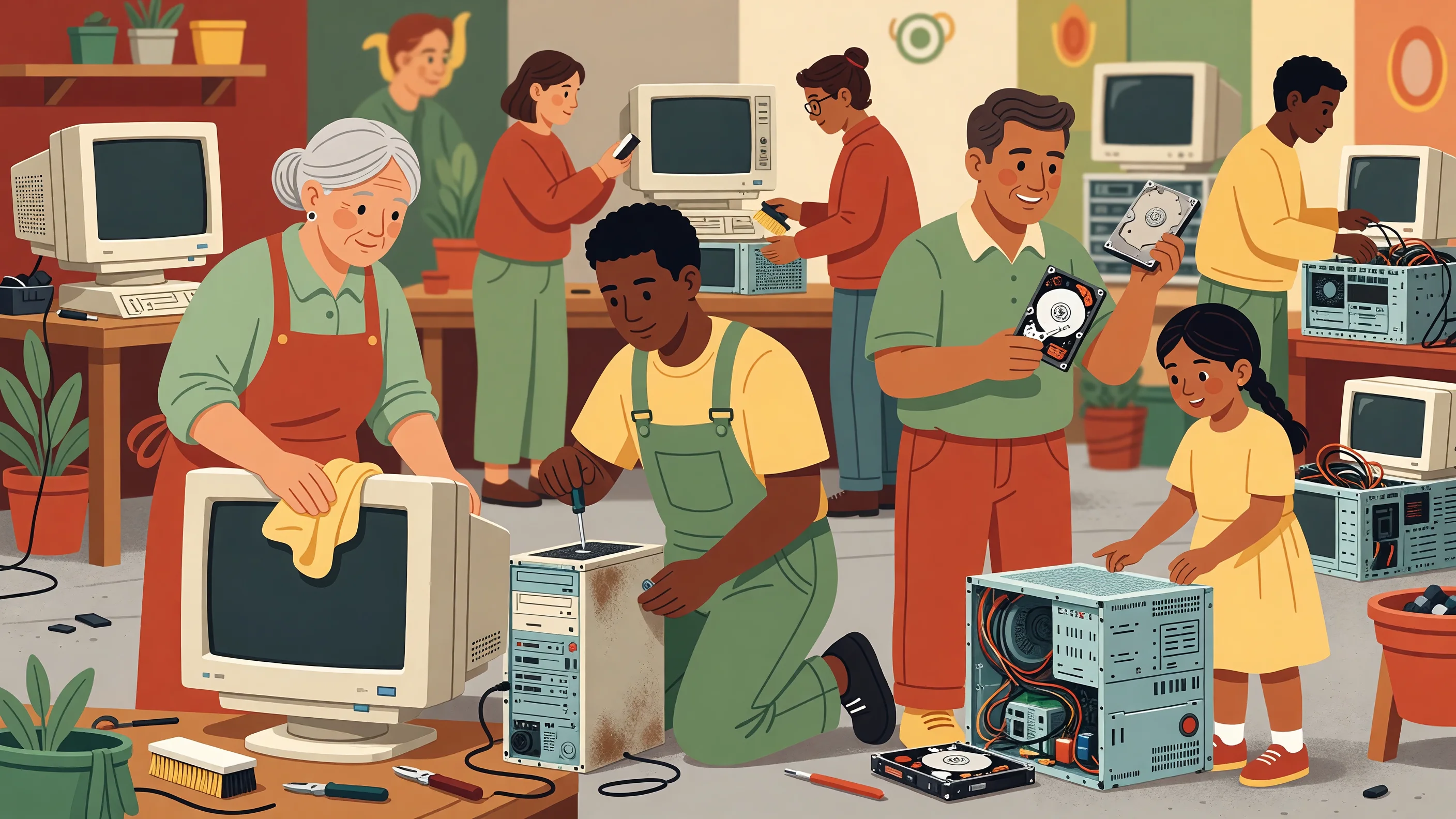
Faced with Windows 11 requirements, Boréal-OS and ProductivIA aim to extend computer lifespans to reduce the carbon footprint of hardware manufacturing.
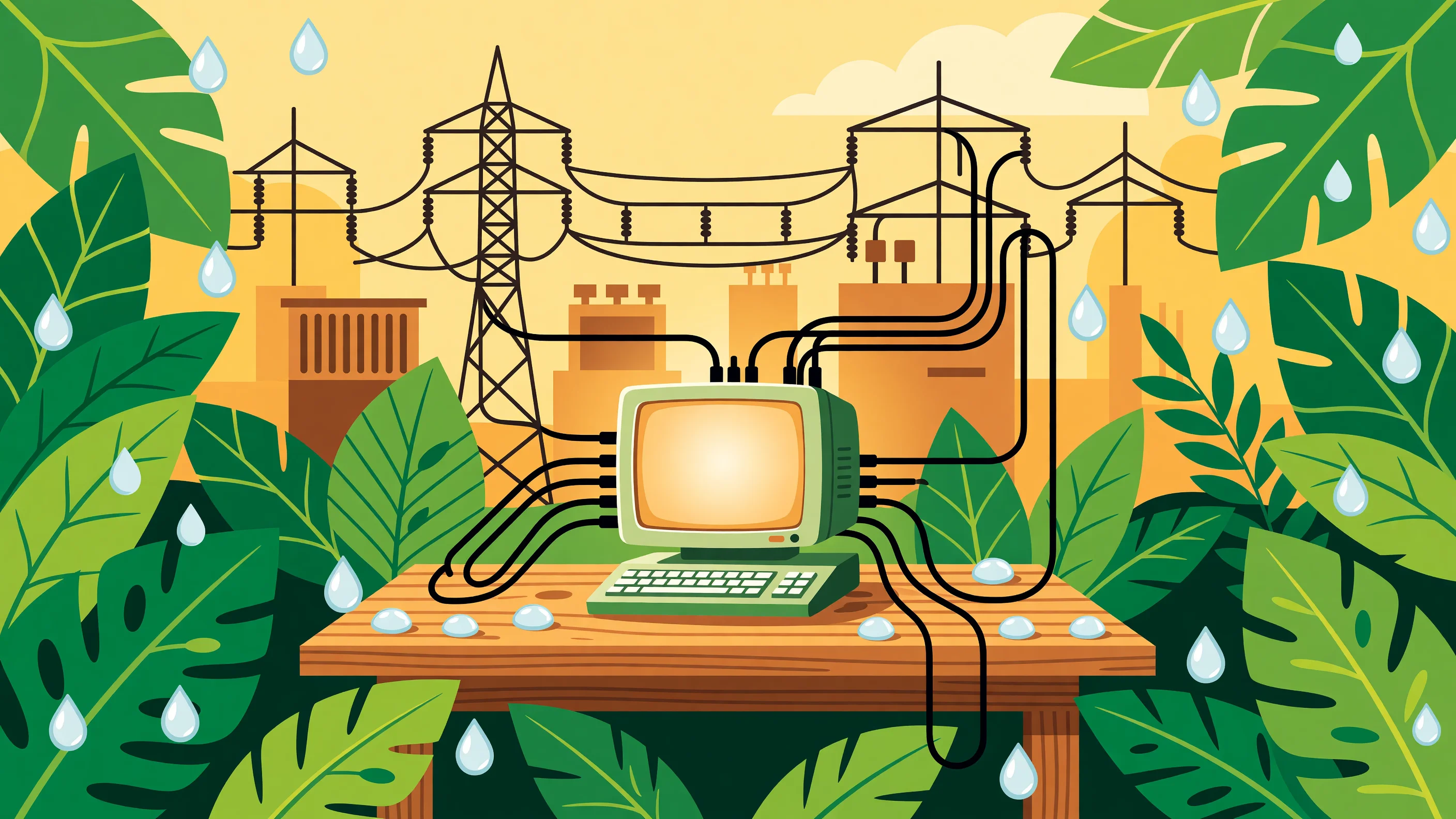
With New York freezing mega data centres, ProductivIA's architecture shows that local AI via WebGPU and optimized model orchestration offer an efficient alternative.

As Bill C-36 attempts to regulate data protection in the face of AI, local execution via WebGPU offers an unstoppable technical solution.
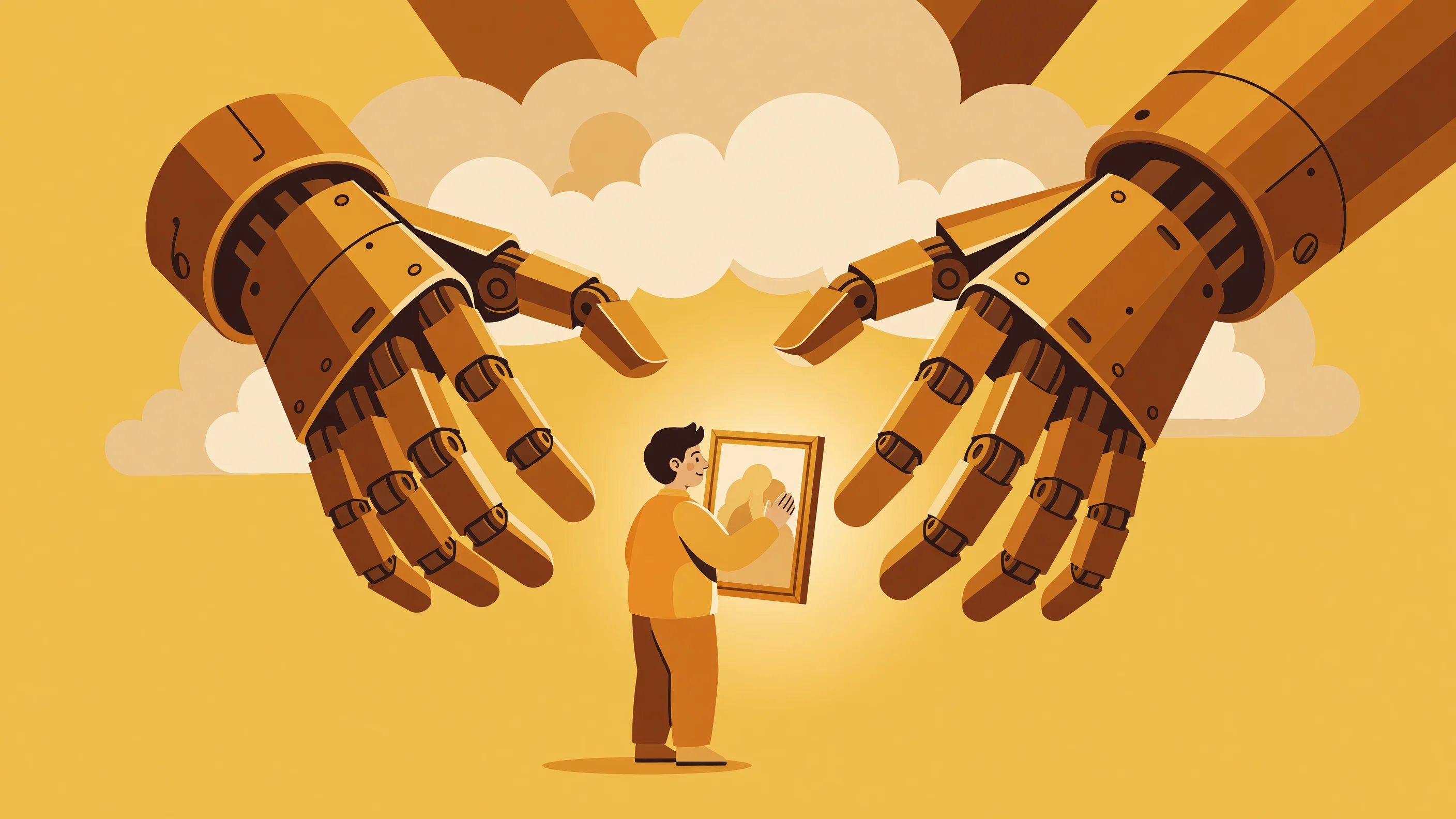
In the face of Meta's data-scraping policies, the Images application and Nuage's architecture guarantee data containment within sovereign silos.

As the 2026 World Cup faces a wave of AI-generated synthetic content, semantic grounding and certified feeds are helping protect data integrity.
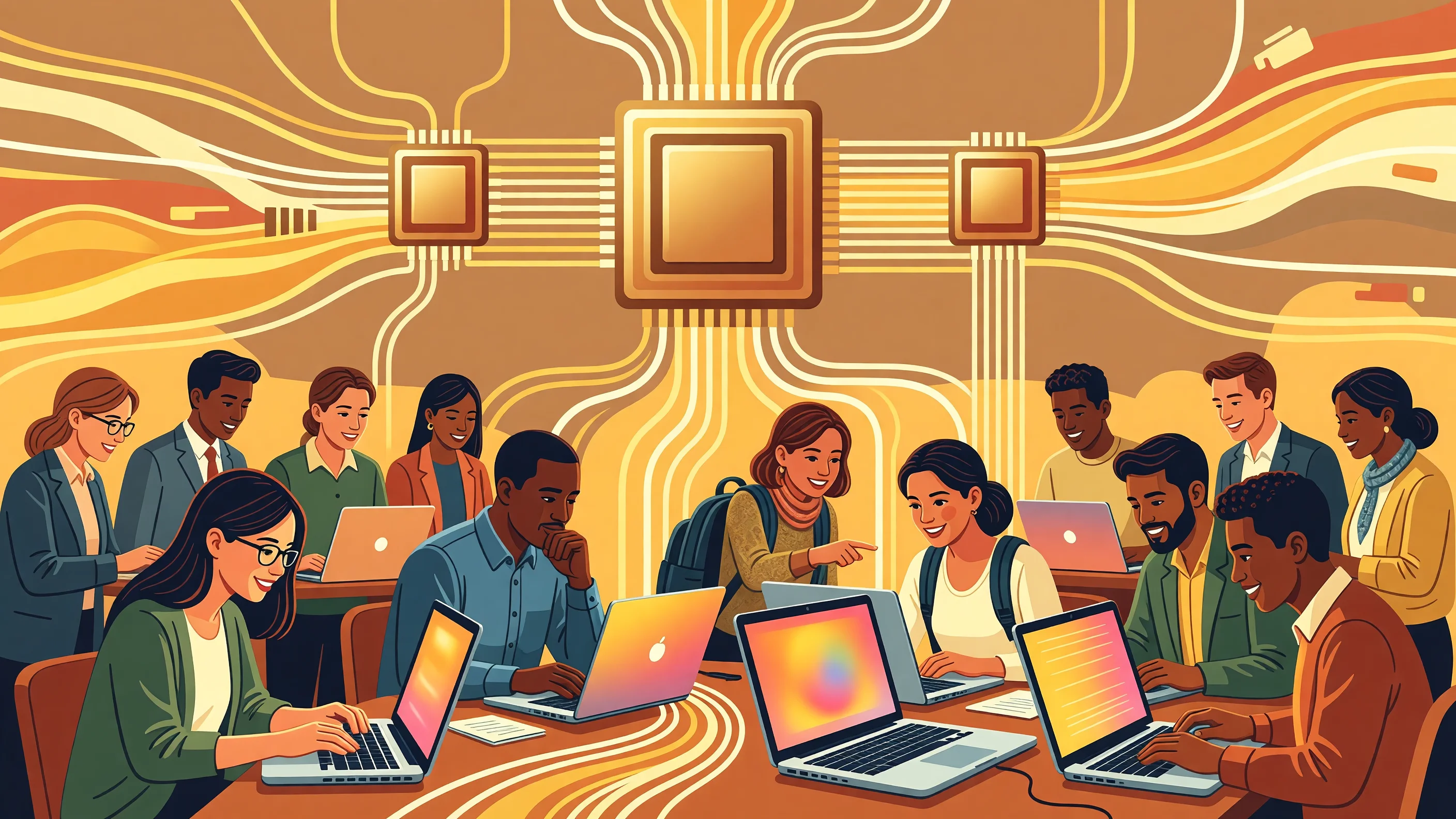
The AI data centre frenzy is driving up the cost of RAM. In the face of this inflation, hardware sobriety with Boréal-OS and ProductivIA is becoming a necessity.
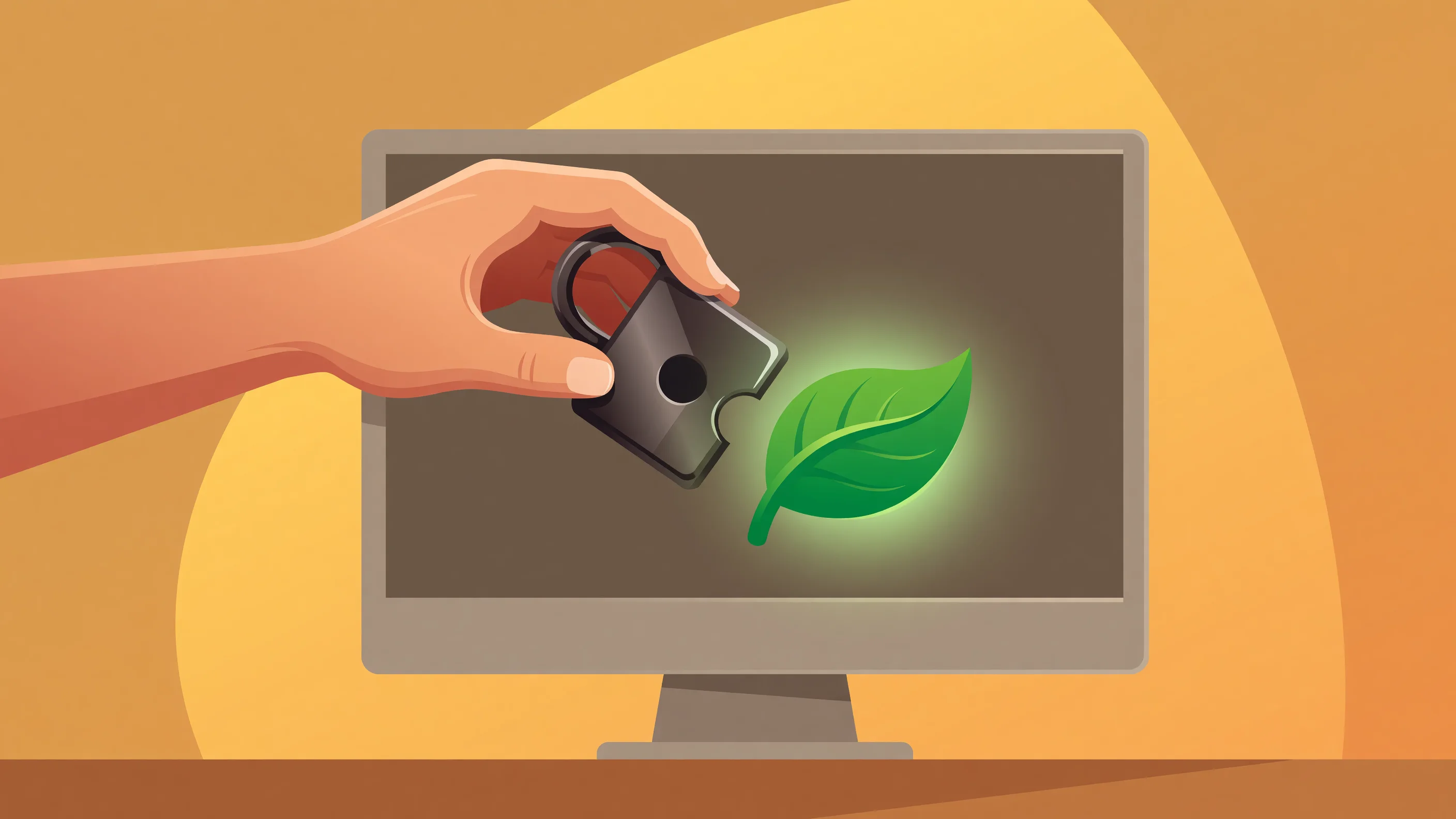
While the mobile sector struggles to break free from Android, the desktop workstation proves that a transition to full software and hardware sovereignty is ready.

As a poll reveals that Quebecers see their society as more human than their neighbours, how can we align our digital tools, from Nuage to Matania, with this ethical aspiration?
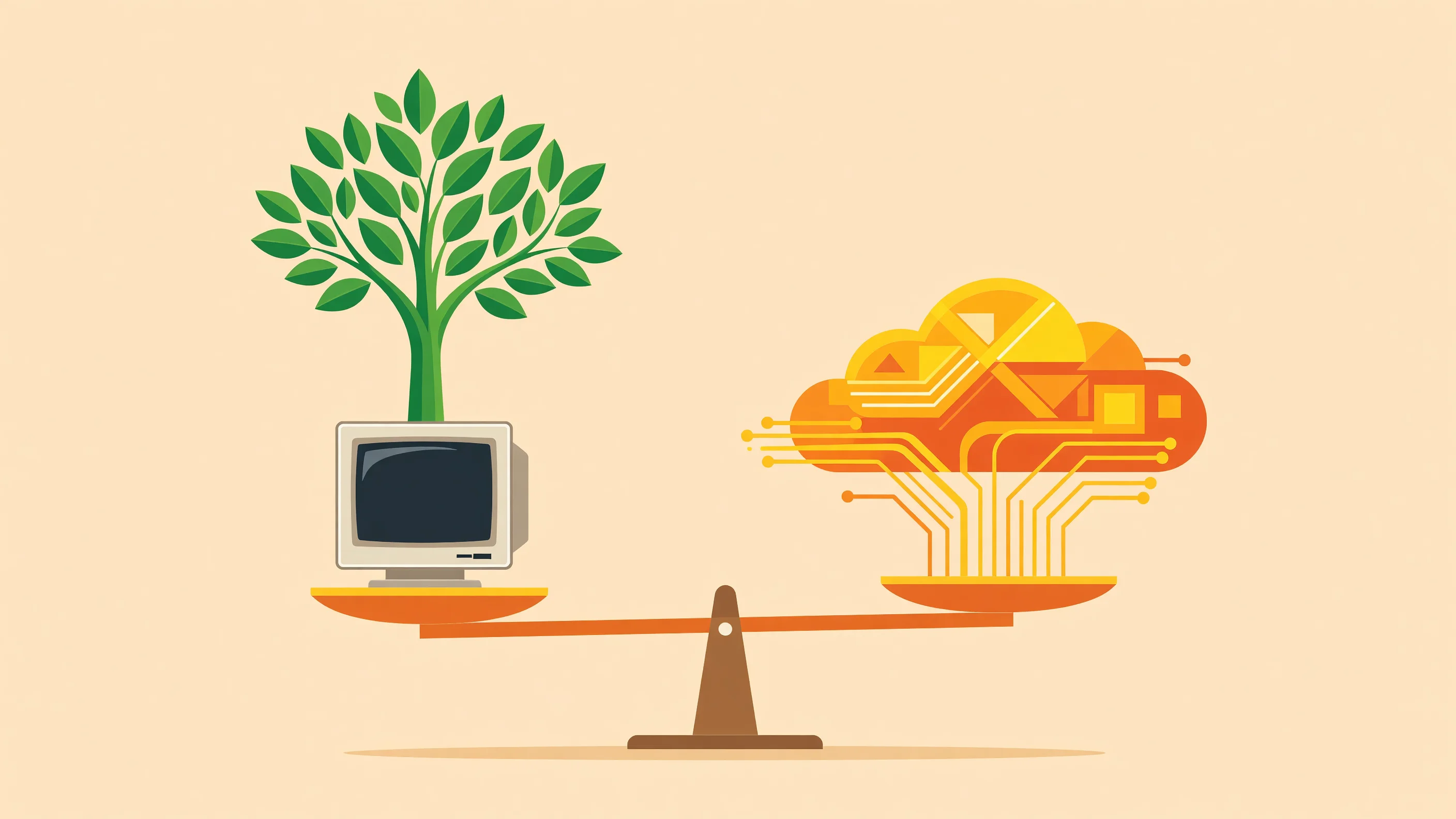
As emissions from Google and Amazon soar, Quebec's tech ecosystem offers an alternative combining hardware longevity and local AI execution.

Google's historic ruling in Sweden highlights the risks of vendor lock-in and underscores the need for neutrality in orchestrating AI tools.
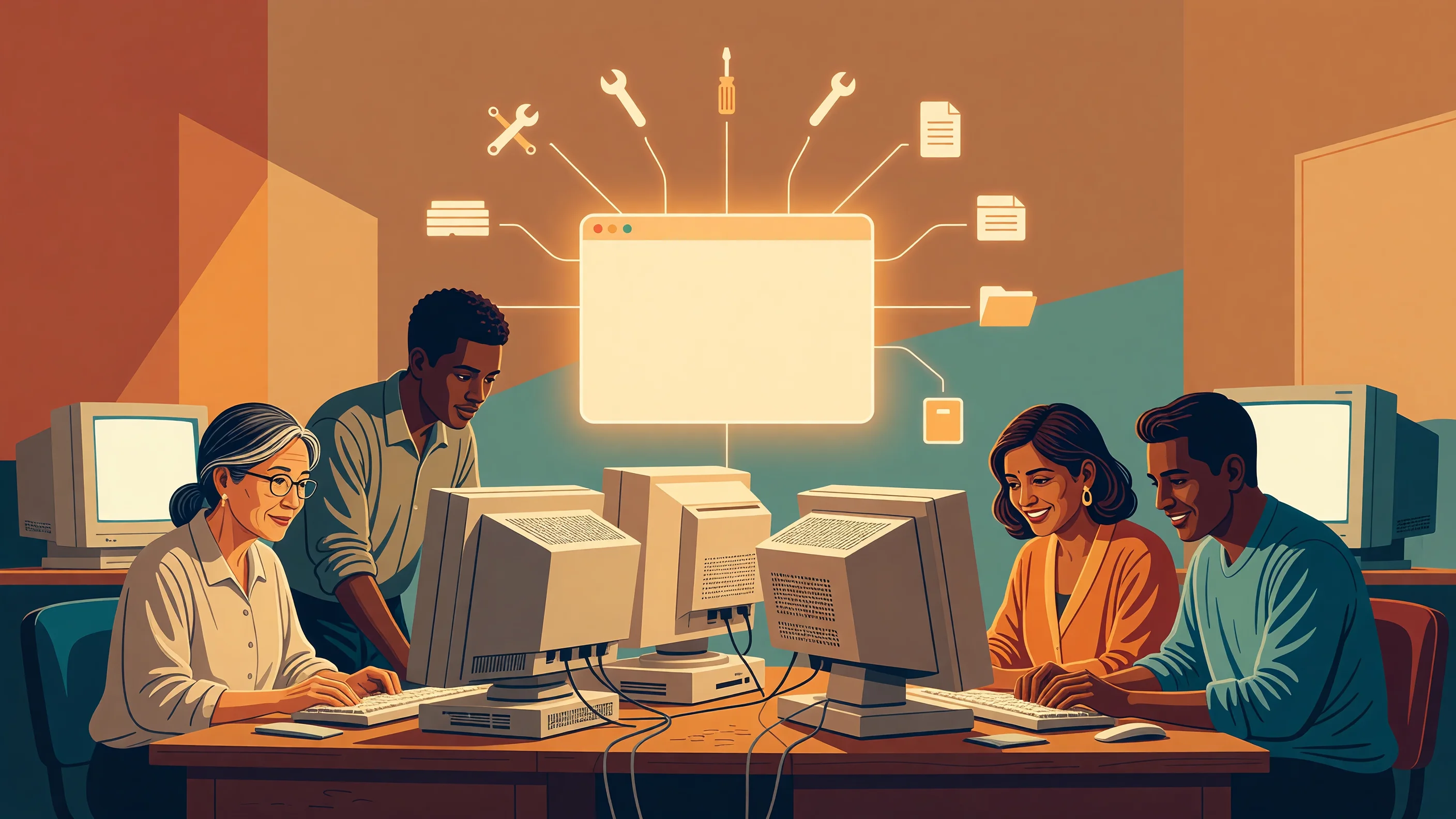
While tech giants design physical devices dedicated to AI, ProductivIA's architecture demonstrates that a simple browser is enough to orchestrate agents.
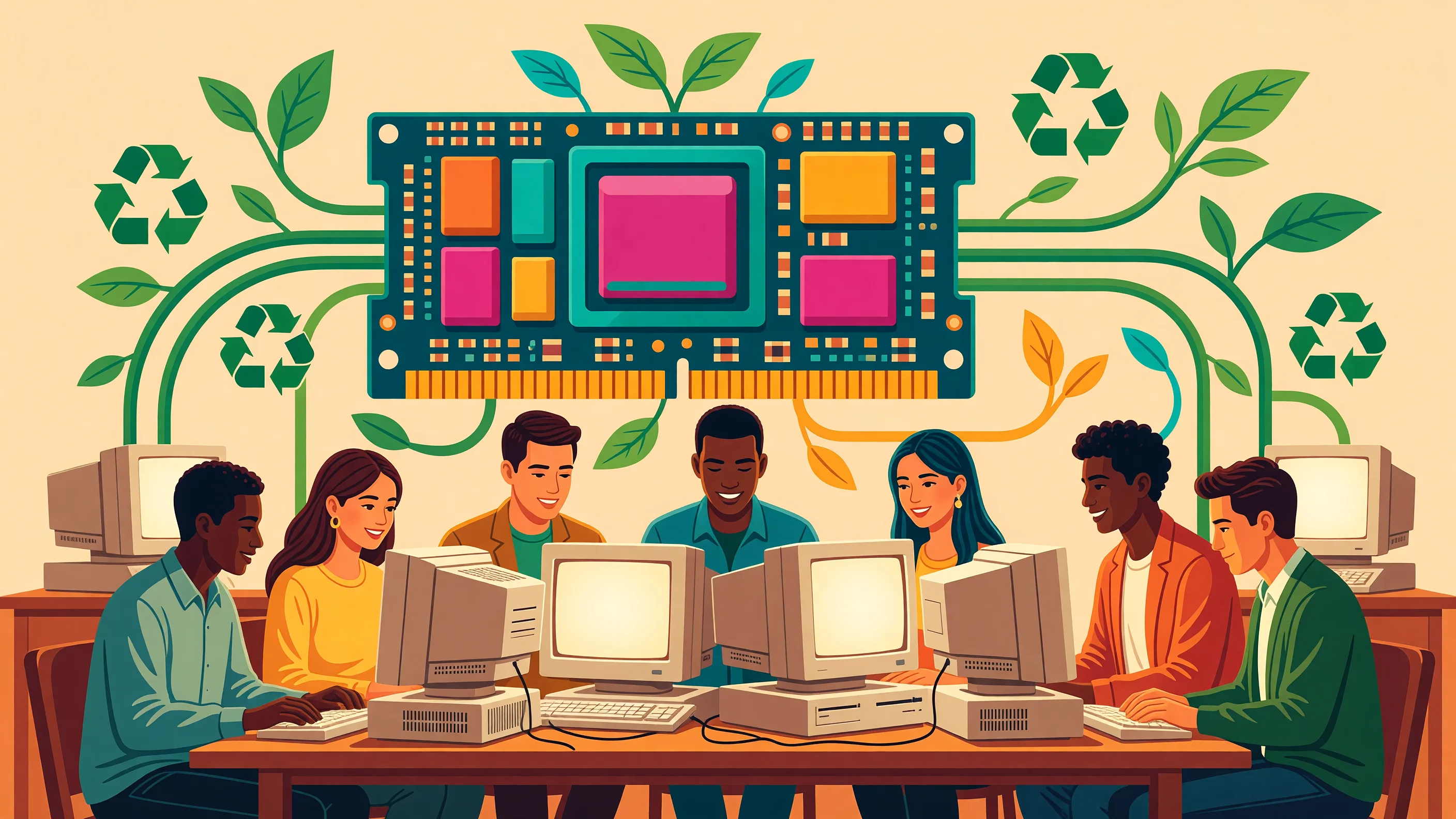
With hardware prices soaring due to the RAM crisis, extending the lifespan of existing PCs with Boréal-OS and ProductivIA has become a necessity.

In the face of identity data collection risks, ProductivIA shows that AI-driven education is possible without centralizing or exporting student data.

Faced with a rising cost of living, young Canadian professionals are moving abroad. How can organizations secure their data without hindering mobility through the browser?

The success of Toy Story 5 revives the debate on tablets versus physical toys, offering an opportunity to explore a balanced use of digital tools with the ÉtudeIA app.
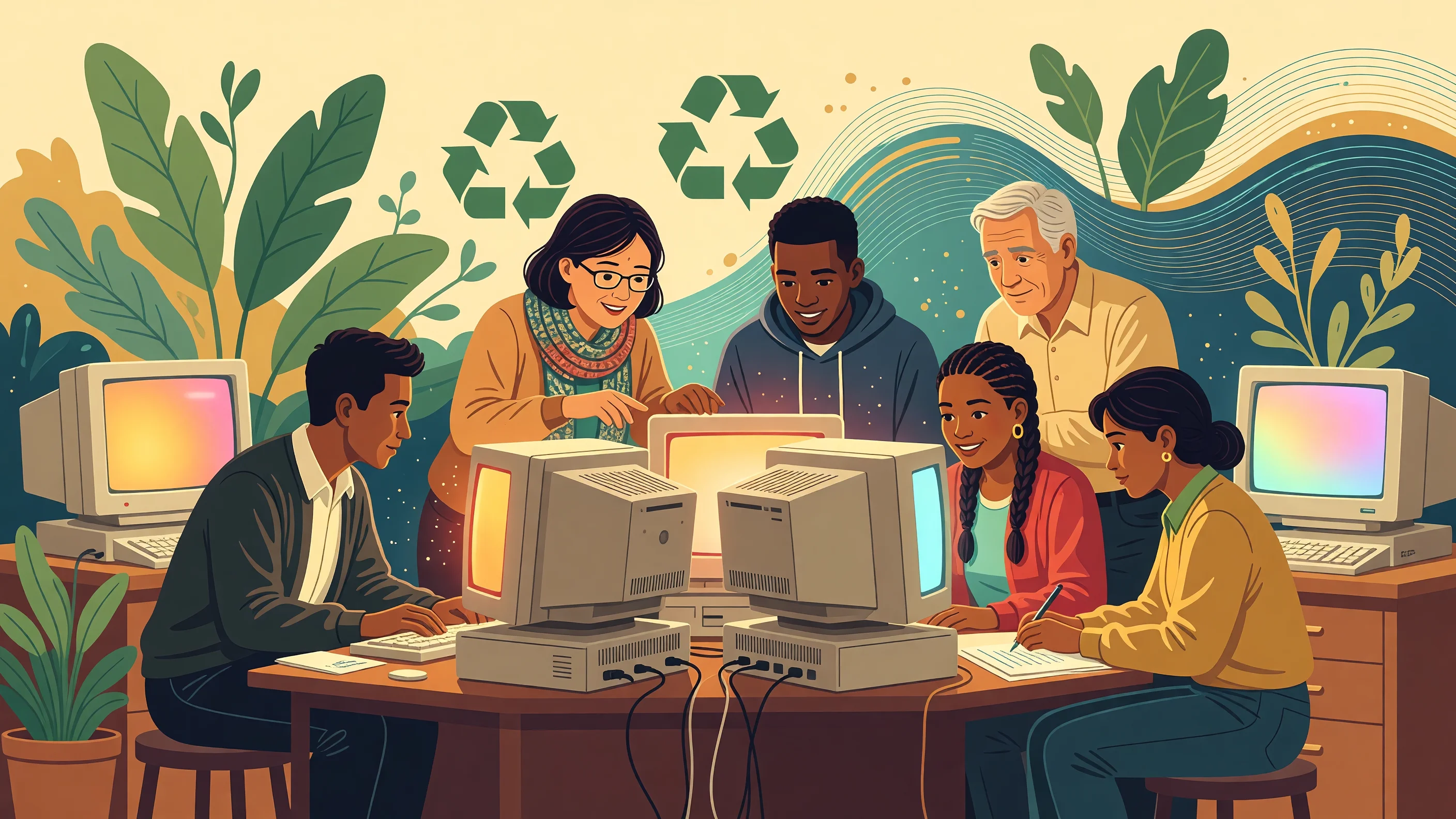
Faced with rising prices for AI-optimized computers, Quebec's sovereign ecosystem offers a way to maximize existing hardware using WebGPU and Boréal-OS.
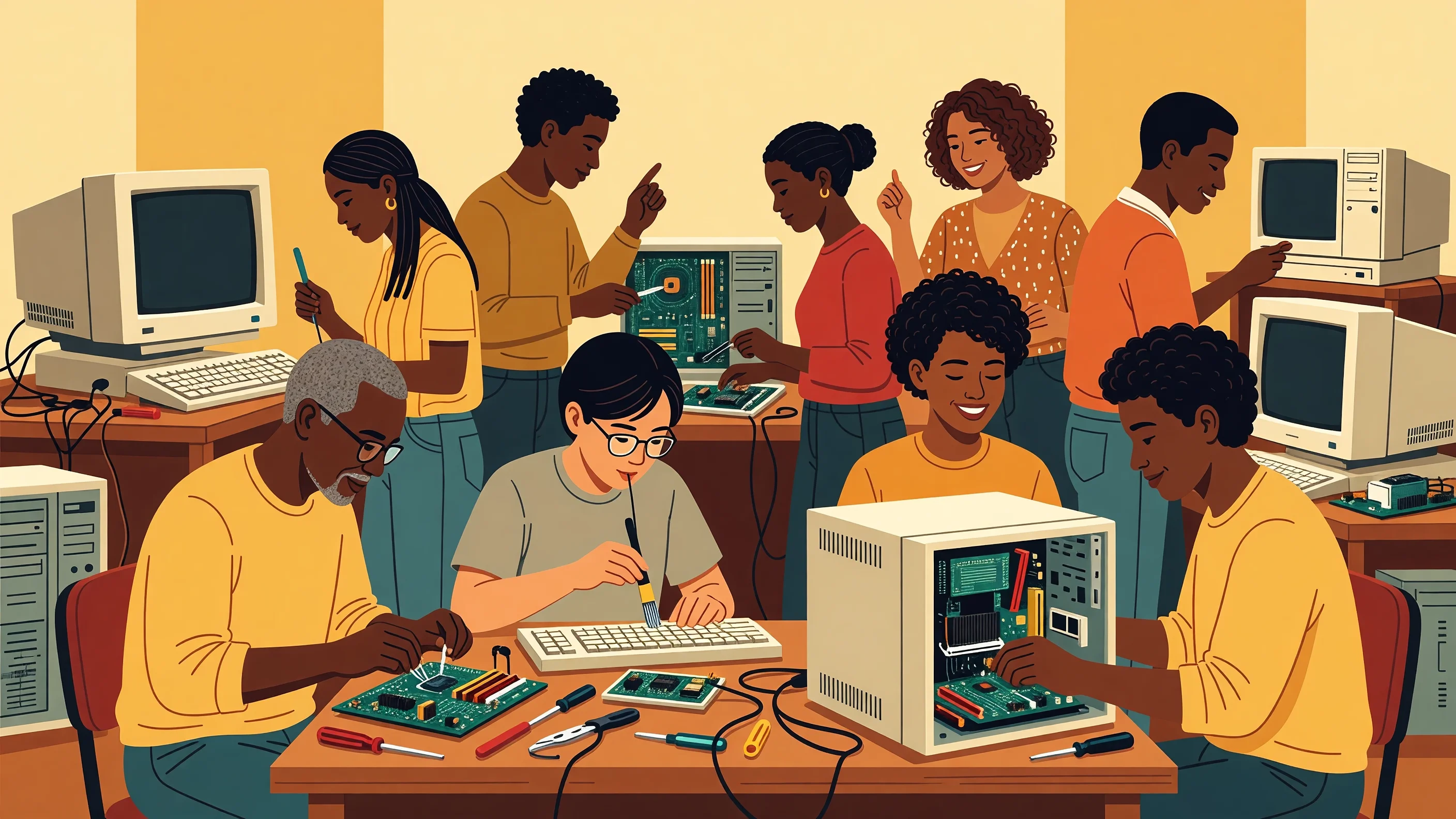
In the face of climate setbacks from international bodies, Boréal-OS and the ProductivIA platform demonstrate that concrete, local digital sobriety remains possible.

Amid doubts over the effectiveness of laws governing conversational agents, ProductivIA offers a technical solution through raw transparency and session auditability.

As Canadian regulators investigate Grok AI for the non-consensual use of personal data, ProductivIA's secure, isolated architecture demonstrates its relevance.

As Ottawa tightens regulations on conversational bots, the ÉtudeIA application shows how a structured, sovereign learning environment already protects minors.

Microsoft's deactivation of Office 2019 illustrates the fragility of proprietary licences. ProductivIA's open standards guarantee long-term access to data.

As OpenAI shifts toward an agentic super-app to win over Wall Street, open orchestration is essential to avoid costly vendor lock-in.

As Apple unveils a Siri redesigned by generative AI at WWDC 2026, the lack of model choice raises questions about sovereignty and transparency.

In the face of privacy campaigns by tech giants, ProductivIA's Nuage application offers real, verifiable technical transparency.
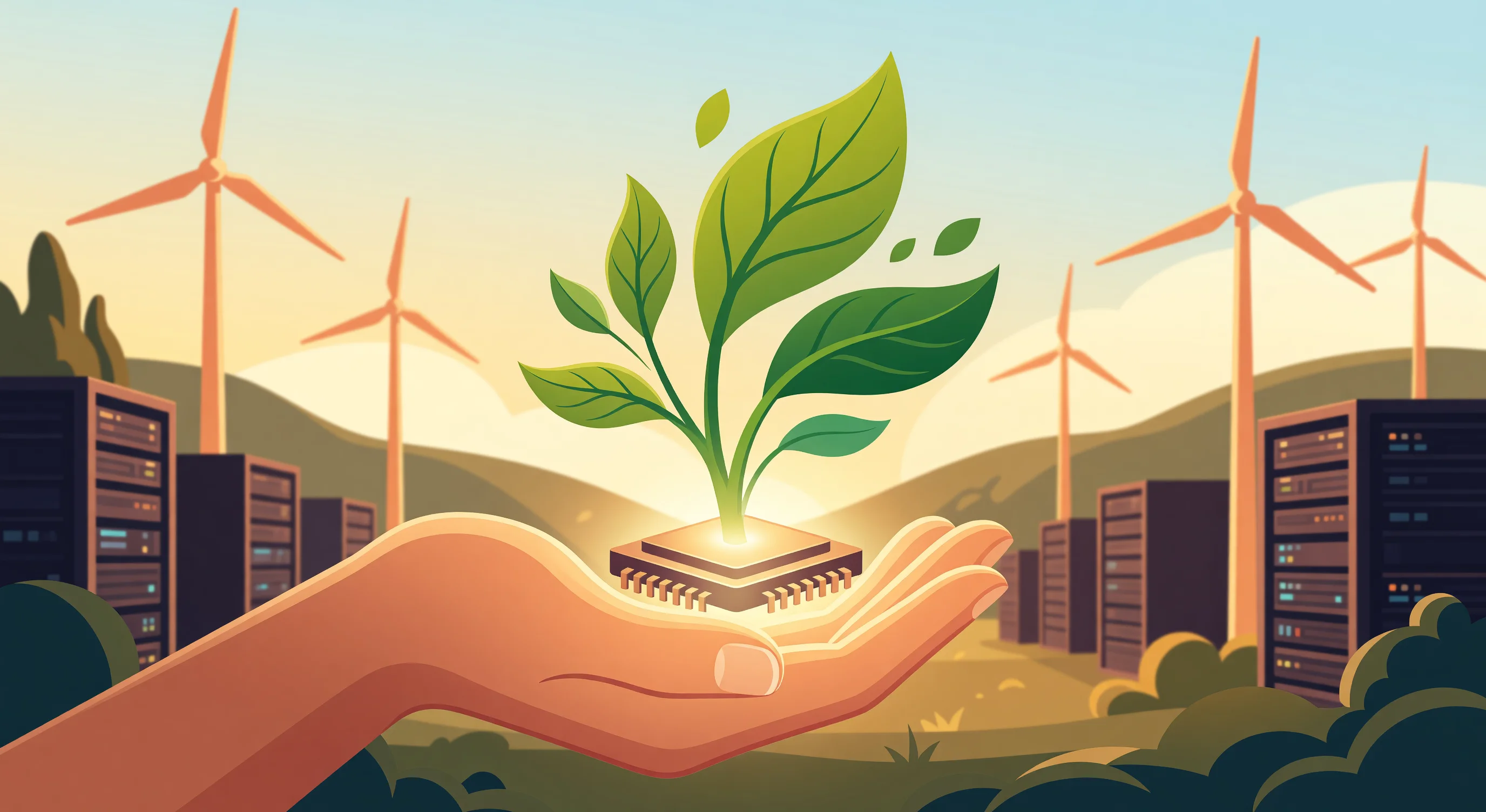
As public opposition to energy-intensive megadata centres grows, local AI execution via WebGPU is emerging as an eco-friendly and sovereign alternative.

As traditional applications dissolve into opaque AI agents, transparency and modular orchestration emerge as the keys to digital sovereignty.

Faced with software exclusion from proprietary publishers, the alliance of Boréal-OS and ProductivIA decouples hardware from software to extend the lifespan of PCs.

The class action lawsuit against Amazon Ring highlights the risks of passive biometric capture, underscoring the need for transparency and data sovereignty.

In the face of opaque AI file reorganization, sovereign solutions like Nuage and Base documentaire combine semantic search with transparency.

With concerns rising over Bill C-22 and network surveillance, running local AI via WebGPU is emerging as a critical shield for data privacy.

While the industry pushes to upgrade hardware for local AI, open standards like WebGPU allow models to run directly in the browser.

As proprietary AI chips like Nvidia's RTX Spark spark a hardware race, open web orchestration proves that a sober, accessible alternative already exists.
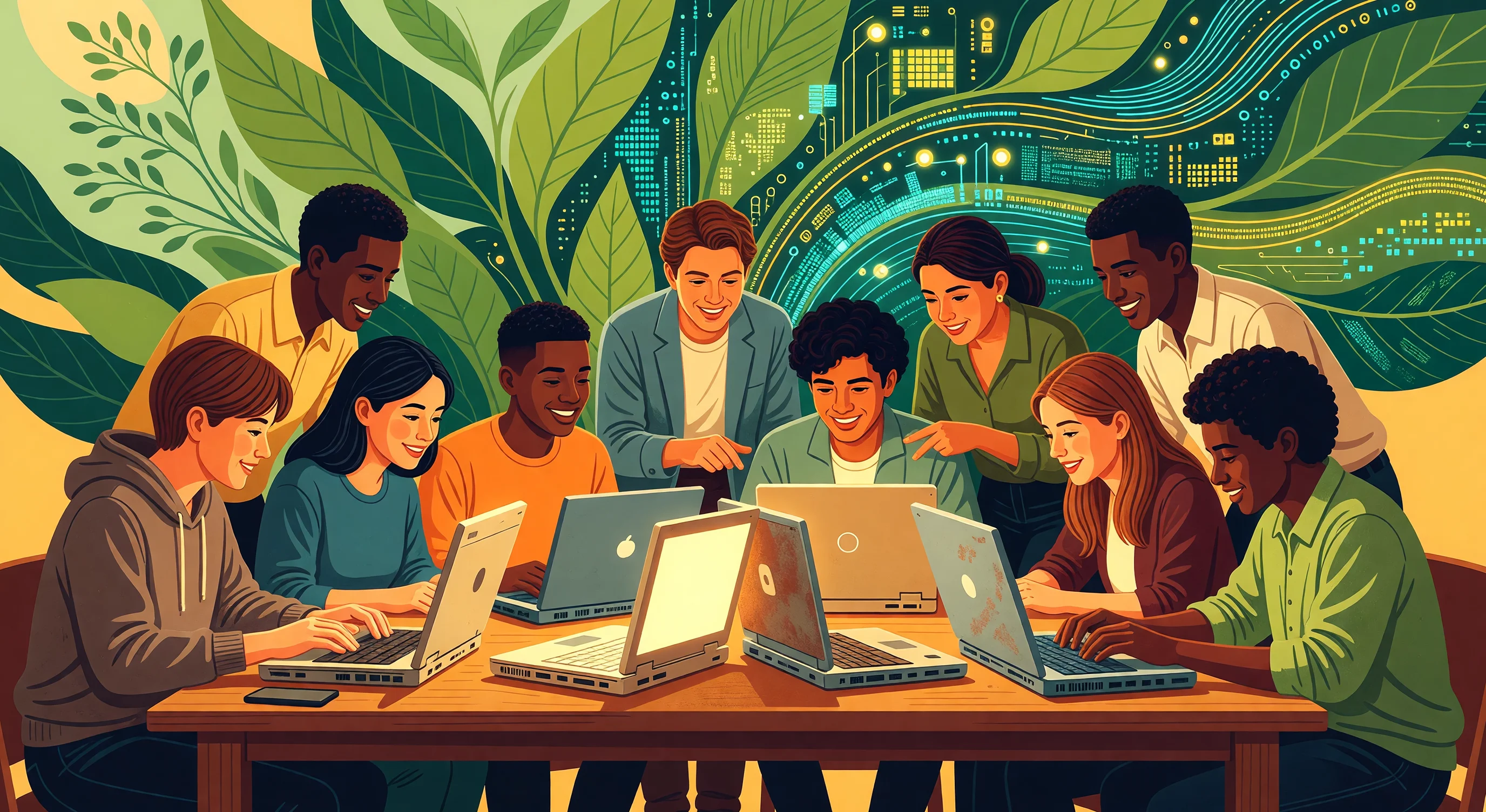
As the price war on student laptops rages, the synergy between Boréal-OS and ProductivIA offers an eco-friendly alternative: reviving existing hardware.

As smart devices record our daily lives, ProductivIA's transparent architecture demonstrates that productive AI can respect strict consent.

Behind the promise of virtual assistants lies a complex tech outsourcing chain. How can you guarantee the confidentiality of your queries?

As tech giants tighten storage quotas, our digital dependency is exposed. A sovereign approach offers a transparent and secure alternative.

An analysis of Apple's Private Cloud Compute reveals the limits of tech giant opacity, highlighting the value of local and sovereign AI solutions.

The arrest of the alleged administrator of the Kimwolf botnet highlights the dangers of software monoculture and the importance of a sovereign architecture.

In light of revelations about local data leaks in mobile systems, ProductivIA offers a model of absolute transparency with its Nuage application.

As users push back against forced AI integration by tech giants, transparent alternatives like GoIA and Nuage are emerging in Quebec.
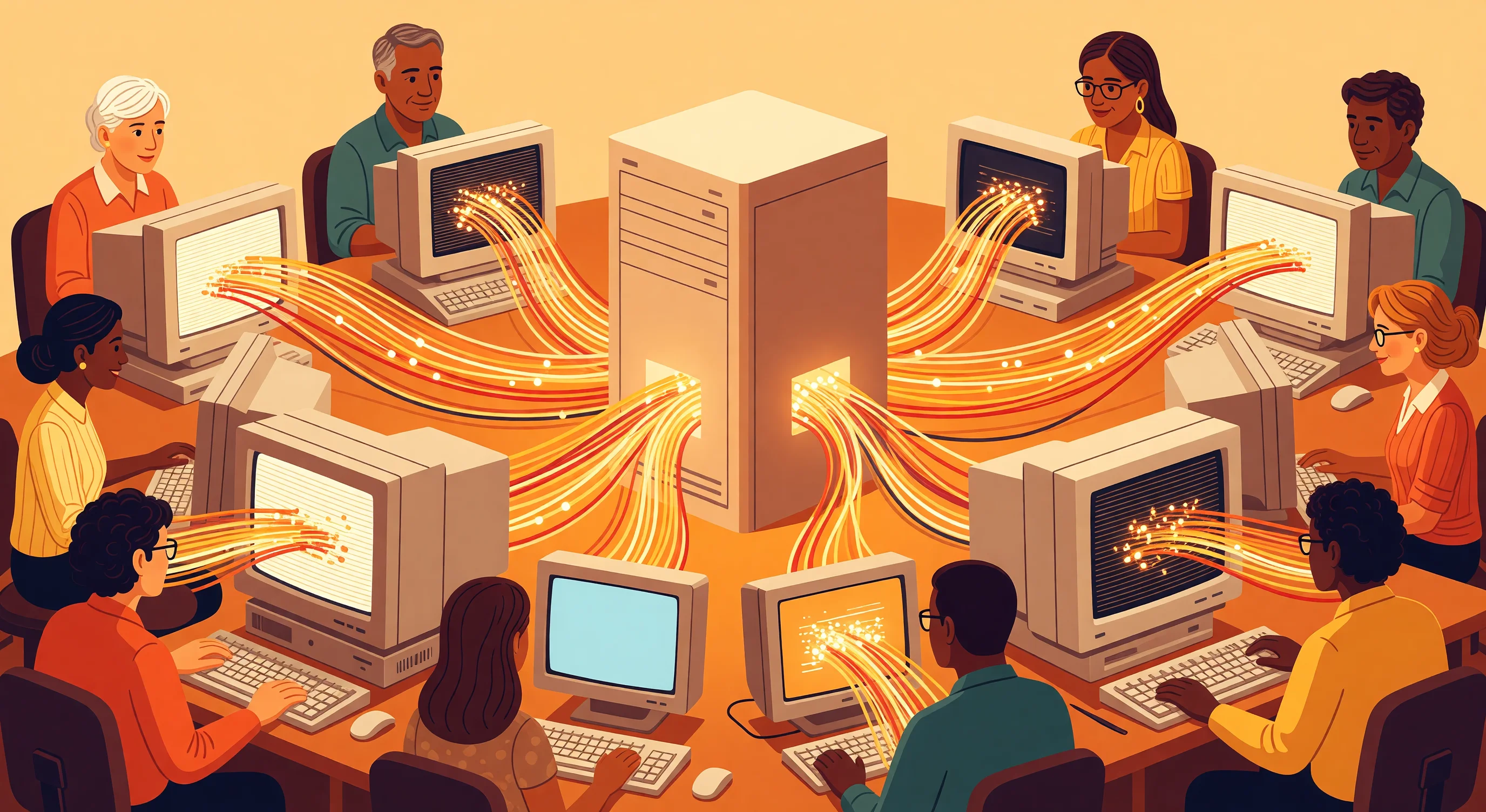
In the face of hardware inflation driven by local AI, offloading computation to sovereign servers extends the lifespan of existing equipment without sacrificing performance.

As Amazon funds AI-generated series, local reclamation of creative tools is becoming a major issue for the autonomy of independent creators.

Faced with the opaque subscription and token pricing of AI giants, local alternatives and comparison tools are helping users regain control of their budgets.

The launch of Alexa+ in France with Mistral AI illustrates the importance of cultural grounding in language models, but also reveals the constraints of proprietary platforms.
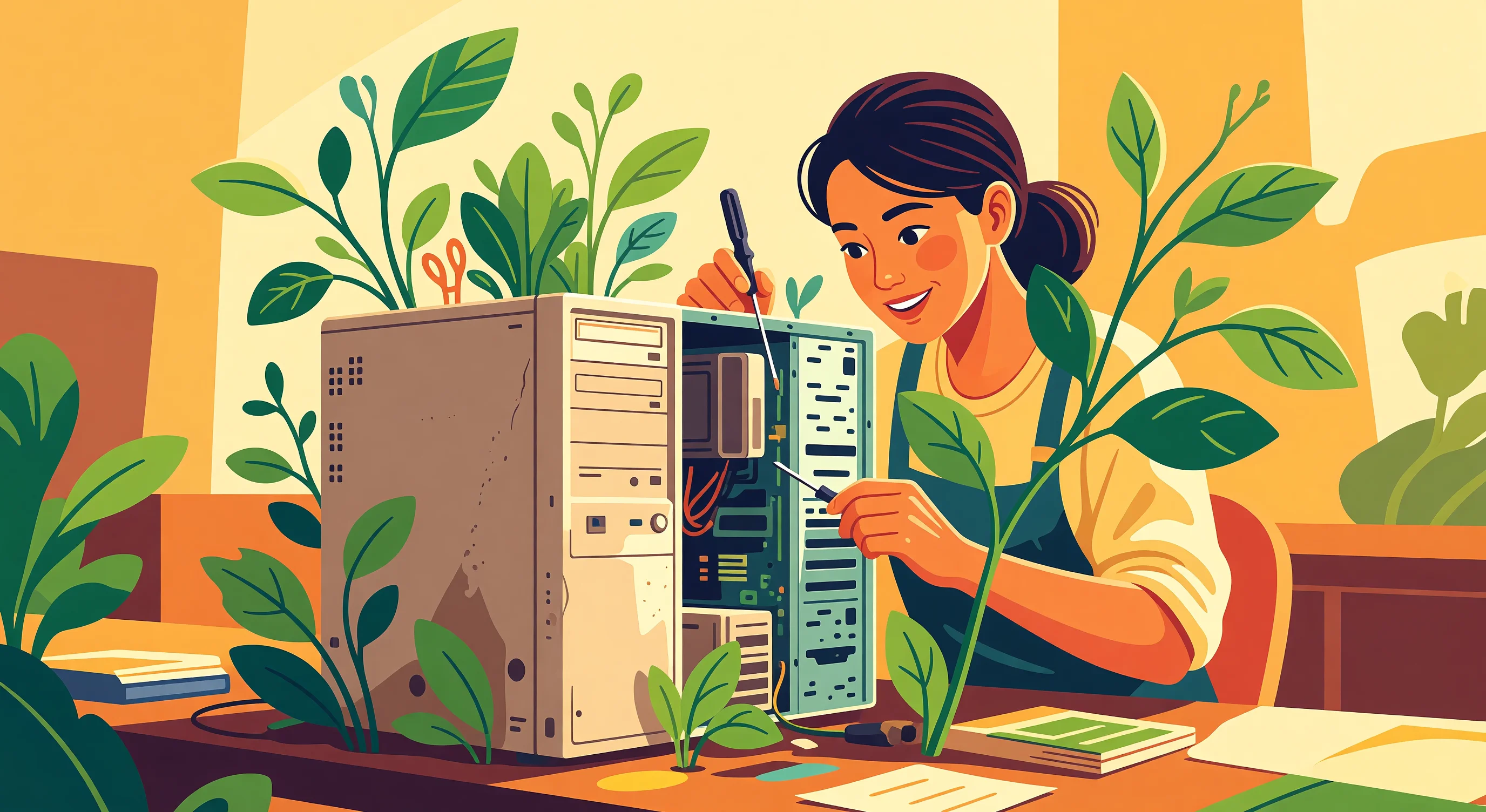
While tech giants promise seven-year update cycles, hardware realities and the demands of new AI models reveal the limits of this promise.

As search engines transform into answer engines, ProductivIA offers a neutral, multi-model alternative to preserve the diversity of information.

Faced with the constraints of proprietary operating systems, web architectures demonstrate their ability to offer immediate, intermediary-free interoperability.
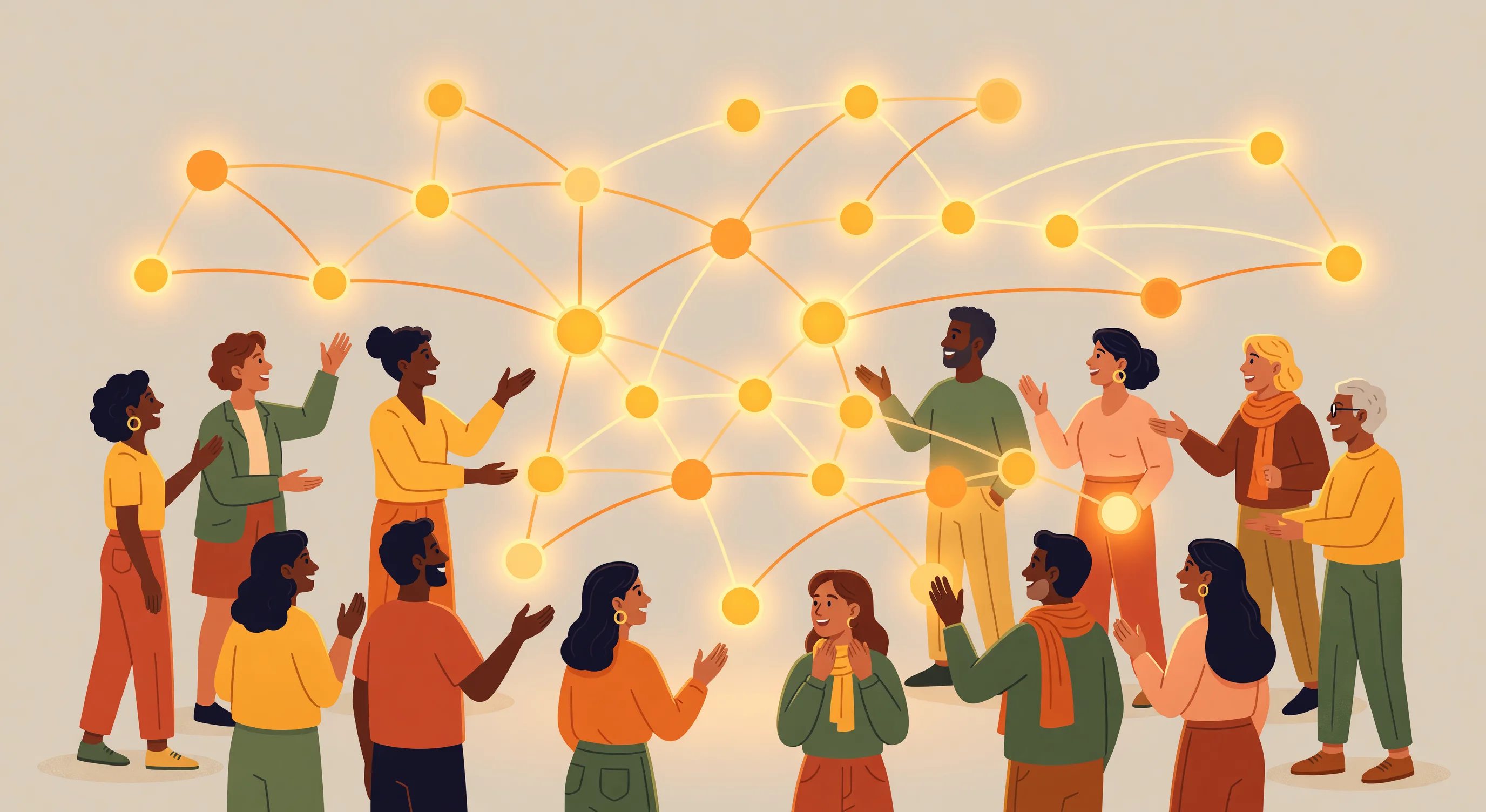
In response to Pope Leo's call against the concentration of technological power, decentralized and sovereign architecture emerges as a concrete ethical solution.
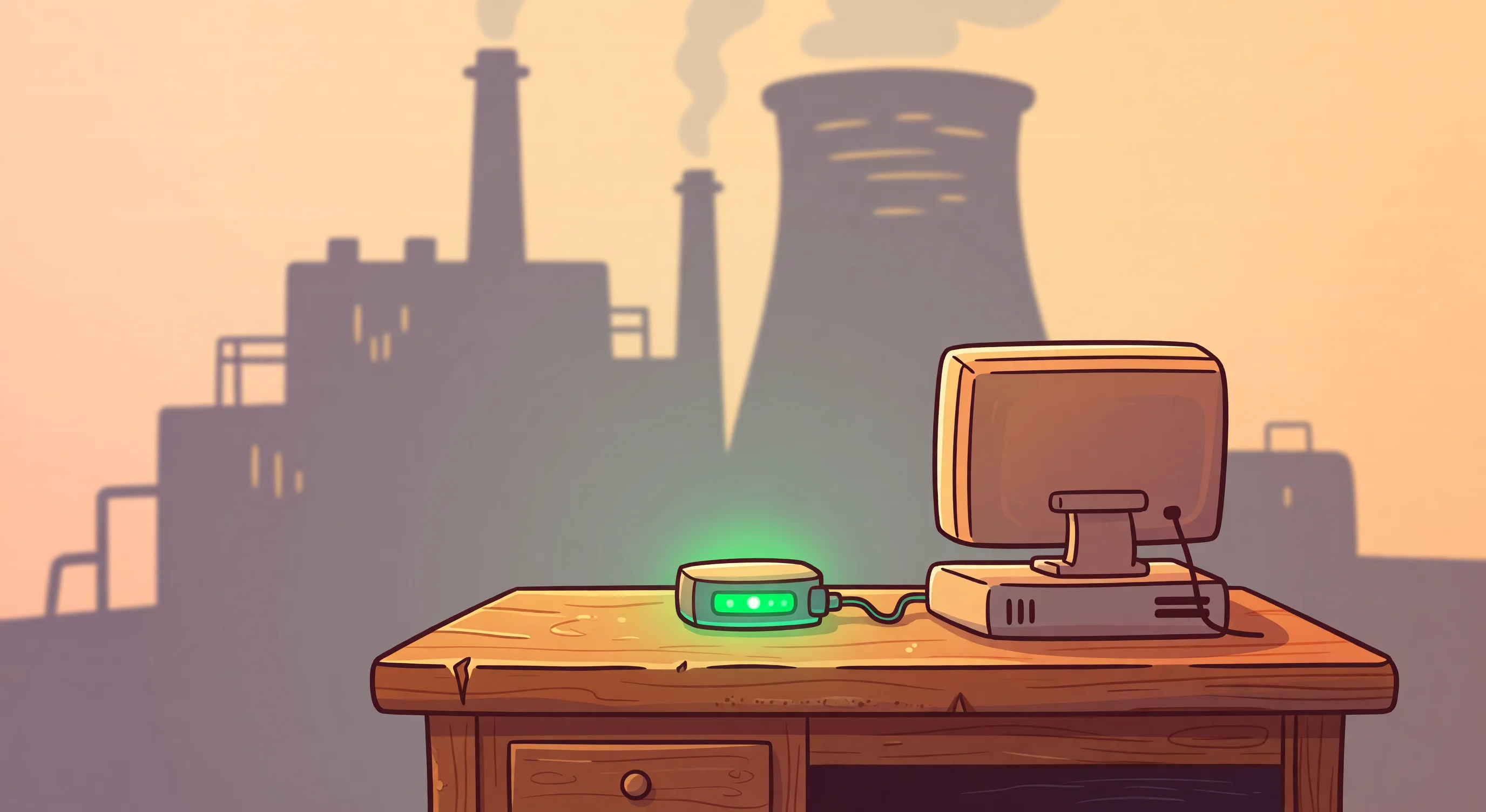
As tech giants drive a financial and energy frenzy, new architectures are prioritizing efficiency, local execution, and data sovereignty.