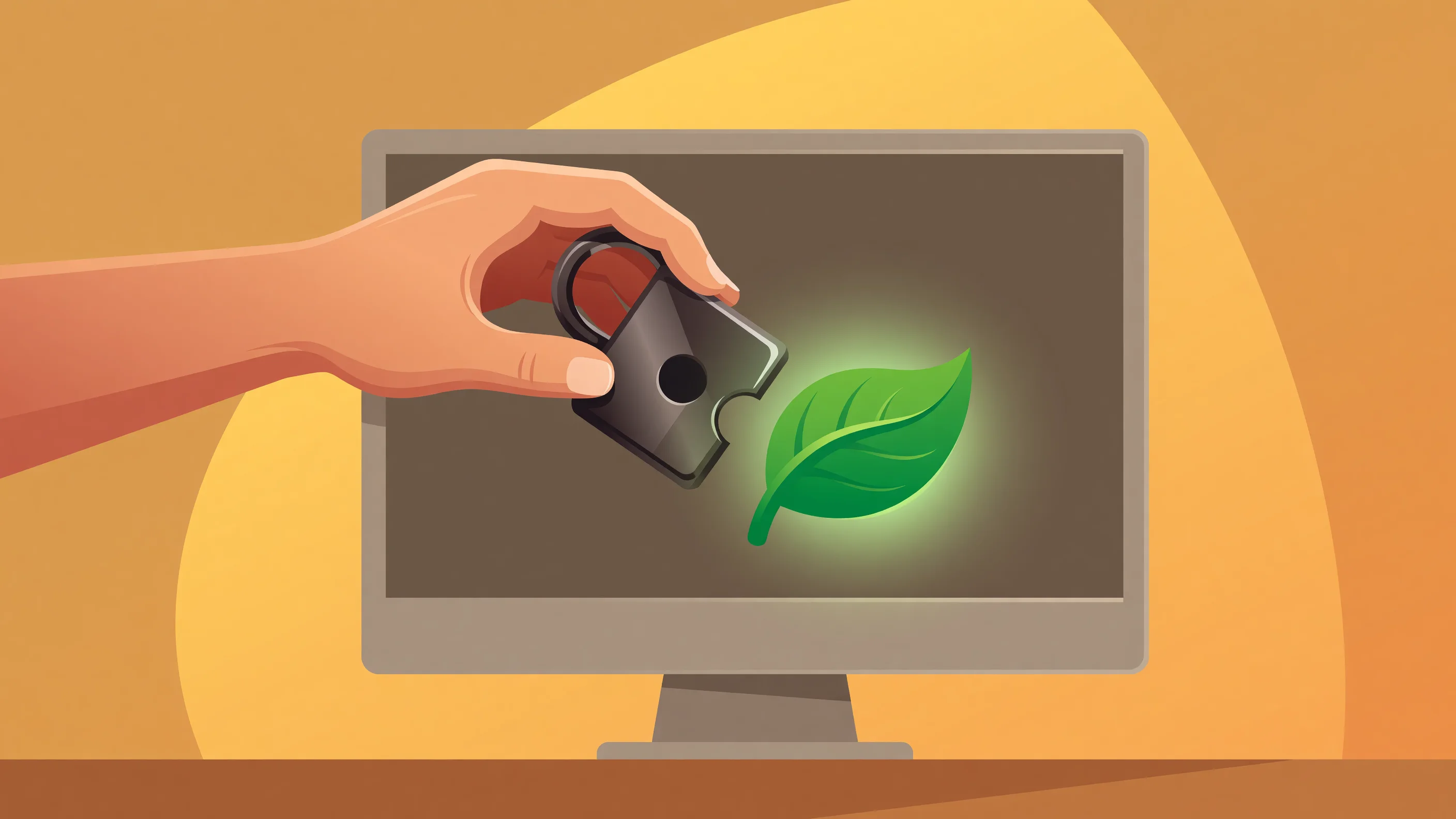
The Illusion of Choice in the Mobile Ecosystem
The European Union Court of Justice's confirmation of the colossal fine of over 4 billion euros imposed on Google for abusing its dominant position with its Android operating system recalls a harsh reality: global digital infrastructure rests on oligopolistic foundations. According to a detailed article published by Le Monde, developers of so-called "de-Googled" operating systems still struggle today to fully break free from Google mobile services. This dependency is not merely commercial; it is deeply technical, anchored in application programming interfaces (APIs) and background services that have become virtually indispensable for daily applications to function.
This stranglehold on mobile operating systems shows how difficult it is to rebuild digital sovereignty from scratch when hardware and software locks are tightly intertwined. Access to notifications, geolocation, and transaction security validation all depend on centralized servers located outside national borders. For public organizations and businesses concerned about data confidentiality, this situation raises a fundamental question: is it possible to escape this systemic surveillance and technological dependency on the desktop workstation?
The Workstation: A Fertile Ground for Emancipation
While the mobile phone sector remains captive to tech giants due to the lack of open hardware alternatives, the desktop workstation (desktop and laptop computers) offers a completely different perspective. In this segment, the open architecture of personal computers allows for a complete replacement of the operating system without altering the machine's capabilities. Better yet, this transition is becoming an environmental and economic necessity.
An analysis report by Canalys estimates that the end of support for Windows 10 could send nearly 240 million functional computers to landfills worldwide, as they fail to meet the strict hardware requirements of Windows 11 (such as the presence of a TPM 2.0 chip or a recent processor). This forced software obsolescence generates massive electronic waste. Yet, these machines possess more than enough processing power for almost all daily administrative, educational, and professional tasks. This is where the convergence of a free, native operating system and web-browser-based applications makes perfect sense.
The Solution: Architectural Synergy
To break free from web giants in the long term, a purely software-based or purely hardware-based approach is insufficient. True digital emancipation relies on a coherent, compartmentalized technology stack capable of restoring control to the user at every level of interaction with the machine.
At the first level, the hardware, installing a sovereign native operating system like Boréal-OS frees the physical computer from mandatory telemetry and forced upgrades. By replacing the proprietary system with a lightweight, secure Linux distribution designed in Quebec, organizations can extend the lifespan of their computer fleets by 5 to 10 years. This digital sobriety approach eliminates dependency on the unilateral decisions of proprietary software publishers while guaranteeing an auditable boot environment free of hidden data collectors.
At the second level, the applications, the ProductivIA platform operates directly within the web browser of the revitalized machine. Because it runs entirely in the browser without requiring local installation, it avoids the proliferation of complex software dependencies and drastically reduces the attack surface against cyber threats. Users access a complete suite of collaborative and artificial intelligence tools without exposing their data to third parties.
Transparency and Sovereign Orchestration in Daily Use
Within this environment, two applications on the ProductivIA platform perfectly illustrate this philosophy of transparency and control: the Nuage application and the Assistant.
The Nuage application serves as a one-stop shop for user data management. Unlike proprietary storage solutions that hide the actual location of files and apply opaque analysis algorithms, Nuage offers total visibility into the organization's silo. Every document, interaction, and file generated by artificial intelligence tools is stored locally or on a chosen sovereign infrastructure, ensuring natural compliance with Quebec's Law 25.
The Assistant acts as a central orchestrator capable of coordinating the platform's various applications through standardized services, without ever exposing user data to advertising servers or third-party model training. When the Assistant calls upon artificial intelligence capabilities, the silo administrator can configure the platform to route requests to the sovereign Quebec provider Matania. Data never crosses any borders and remains protected from extraterritorial laws like the US CLOUD Act.
This architecture demonstrates that it is now possible to deploy a high-performing, secure workstation that is completely untethered from tech giants. By combining the hardware durability of Boréal-OS with the application flexibility of ProductivIA, public institutions, businesses, and citizens have a credible alternative to regain control of their digital destiny.
Looking Ahead
The transition to sovereign digital infrastructures raises crucial questions about the role of public procurement and institutional purchasing policies. As regulatory frameworks tighten around personal information protection, organizations will have to choose between renewing restrictive licensing agreements and adopting open, sustainable, and locally controlled models. The future of technological autonomy will depend on the ability of decision-makers to prioritize solutions that respect both our planet's physical limits and the fundamental rights of users.