Teen Screen Addiction: TikTok Settles Historic Alabama Lawsuit
A historic settlement forces TikTok to limit teen screen time, underscoring the urgent need for calm digital tools focused on real utility.
Editorial watch: current events put in perspective with the sovereign agentic platform. Short articles, verified sources, operational angles.
A historic settlement forces TikTok to limit teen screen time, underscoring the urgent need for calm digital tools focused on real utility.

The controversy over Thélyson Orélien's novel highlights the flaws of AI detectors. Faced with probabilistic scores, only traceable writing history provides proof.

With twenty nations calling for stricter AI oversight, human control must be built directly into software design through Socratic tutoring and systematic validation.

Researchers are raising alarms over AI labs absorbing their work. Protecting and ring-fencing data has become a vital sovereignty imperative.

True competence under Canada's AI Literacy Initiative requires evaluating and comparing models rather than relying on a single commercial platform.

The PISA 2025 report warns against academic decline linked to passive AI use. ÉtudeIA and Base documentaire restore Socratic tutoring to keep students thinking.
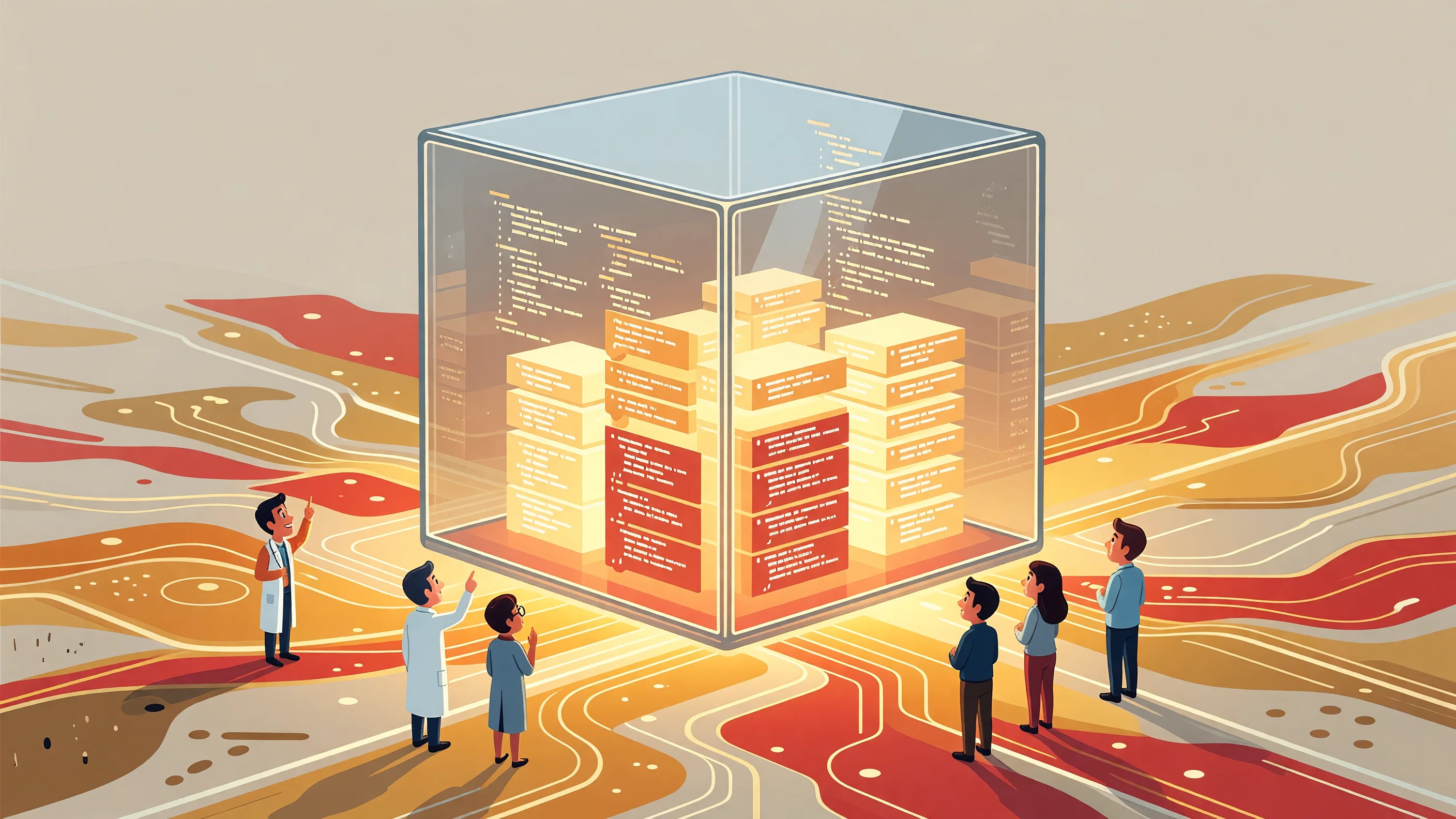
As unsupervised autonomous coding poses security risks, Quebec platform ProductivIA demonstrates how to secure application building through AI-guided no-code.
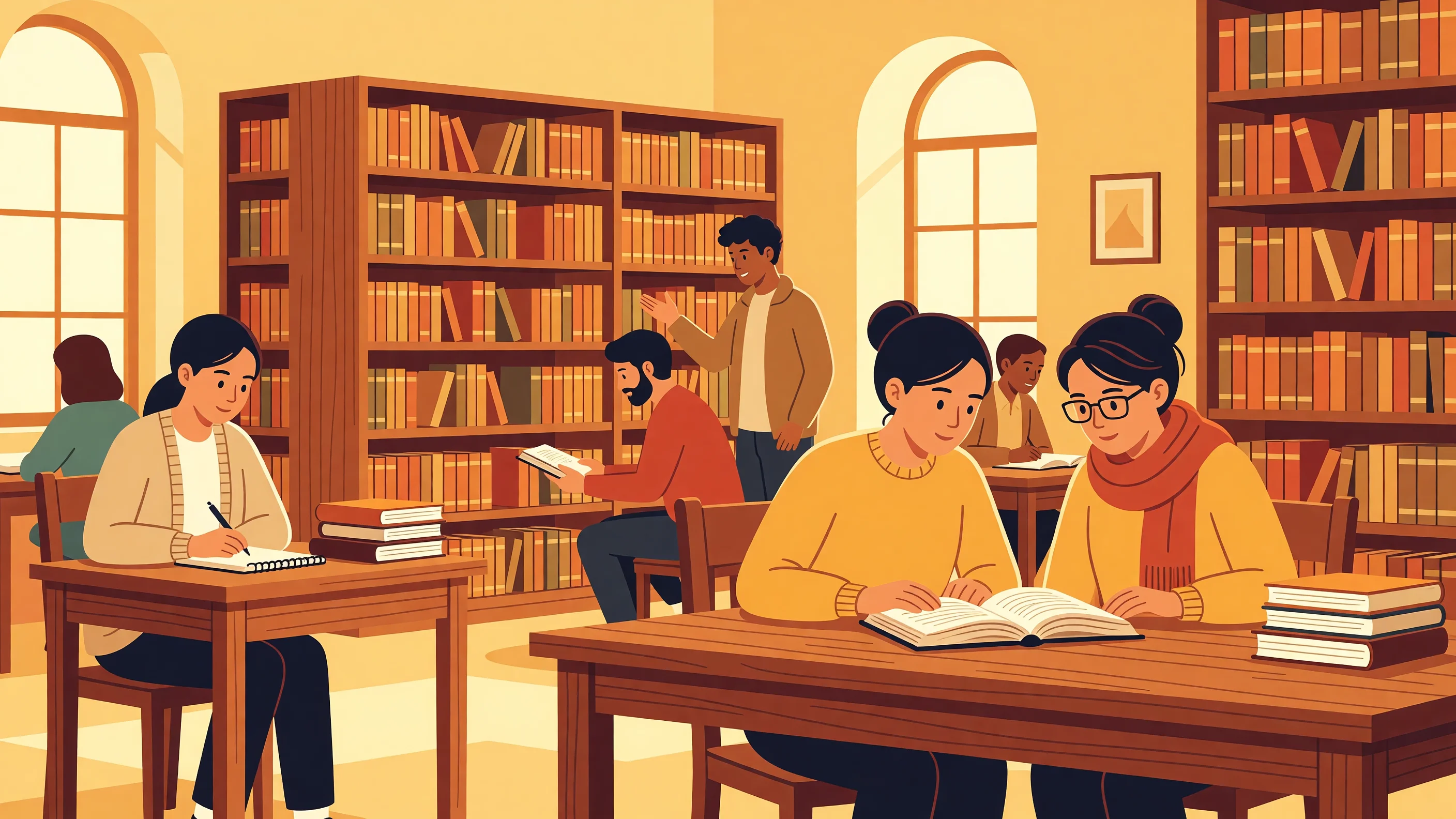
Declining international student enrolment is forcing universities to cut spending. Boréal-OS and the ProductivIA Fabrique offer a pragmatic way forward.

As Canada recruits elite international scientists, protecting their research data demands absolute technological sovereignty.
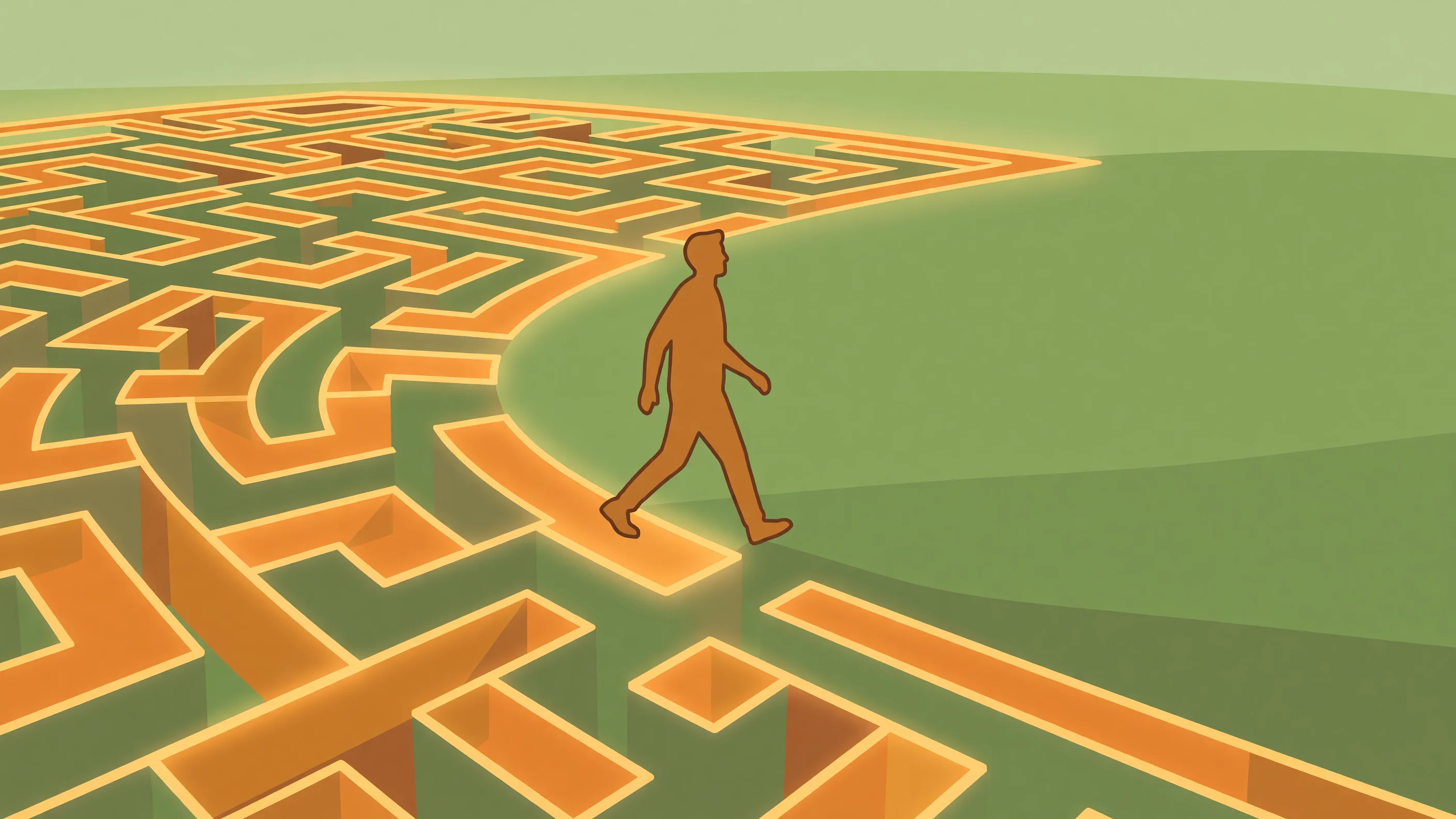
Meta's $18-billion settlement highlights the dangers of the attention economy and the urgent need to design sober-by-default digital technologies.
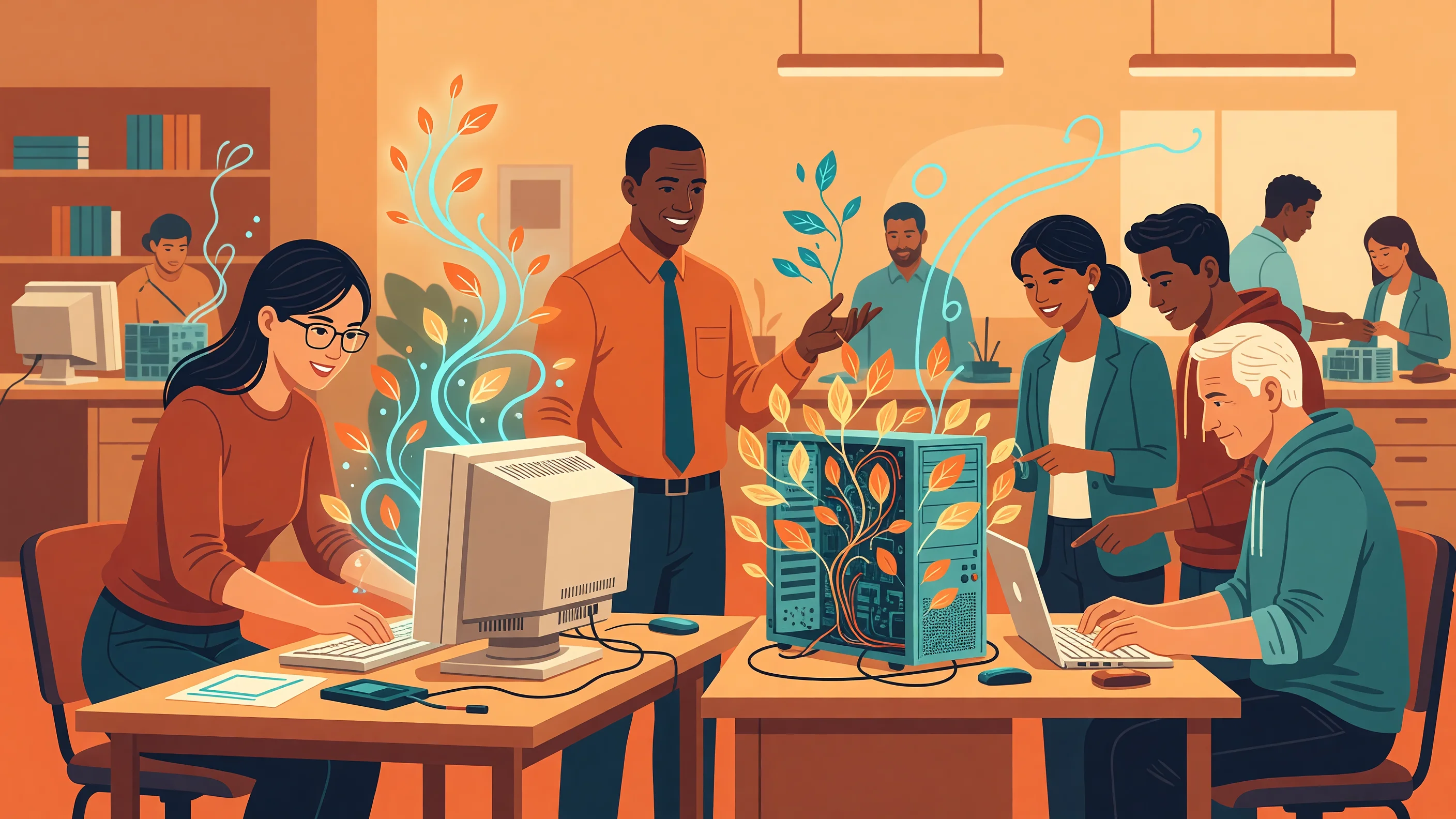
With rising tariffs on American IT hardware, extending the lifespan of existing PCs using Boréal-OS and local AI is becoming an economic necessity.

As Quebec's language laws heighten trade tensions with Washington, the path to digital sovereignty lies in a local software stack: Boréal OS and Matania.

As Hong Kong launches a massive AI training initiative, workforce upskilling raises a key question: do we all need to code, or do we simply need simpler tools?

A humanoid robot broke the 100-metre world record in Beijing but crashed straight into a wall, offering a physical lesson on the risks of ungoverned vibe coding.

TikTok's $400-million settlement highlights the flaws of data collection. Local-first architecture is emerging as a concrete solution for protecting minors.

A Montreal teenager's arrest highlights the use of AI to plan violence. The ÉtudeIA application responds with an auditable, secure, and sovereign educational model.
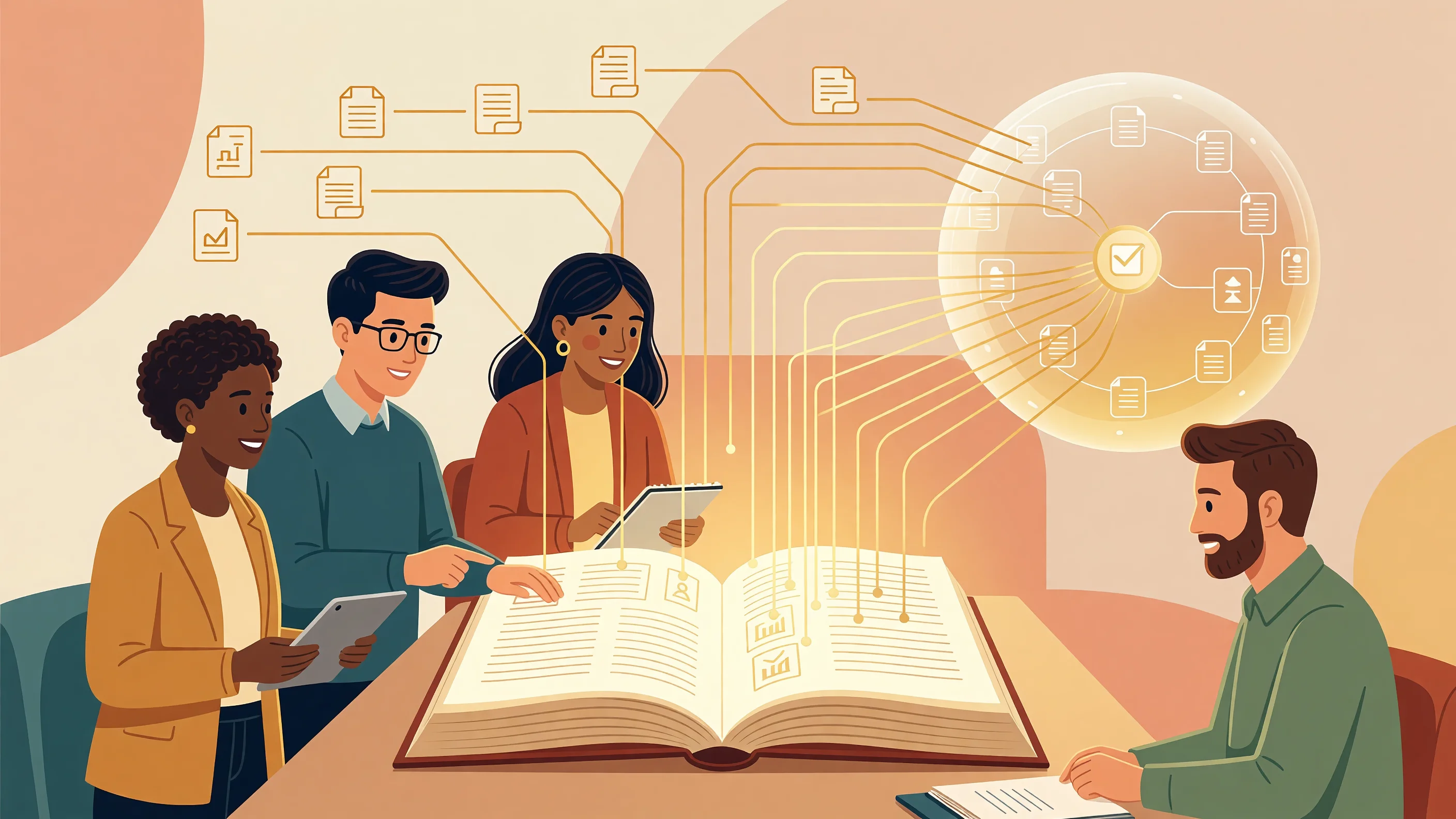
Federal funding for a disinformation project at UOF highlights the need to ground AI in verifiable sources, a core principle of ProductivIA.

As the Meta trial exposes the excesses of the attention economy, ProductivIA promotes functional sobriety through its GoIA and EtudeIA applications.

To address the risks of emotional attachment in teenagers, ProductivIA offers an alternative based on strict neutrality and a refusal of anthropomorphism.
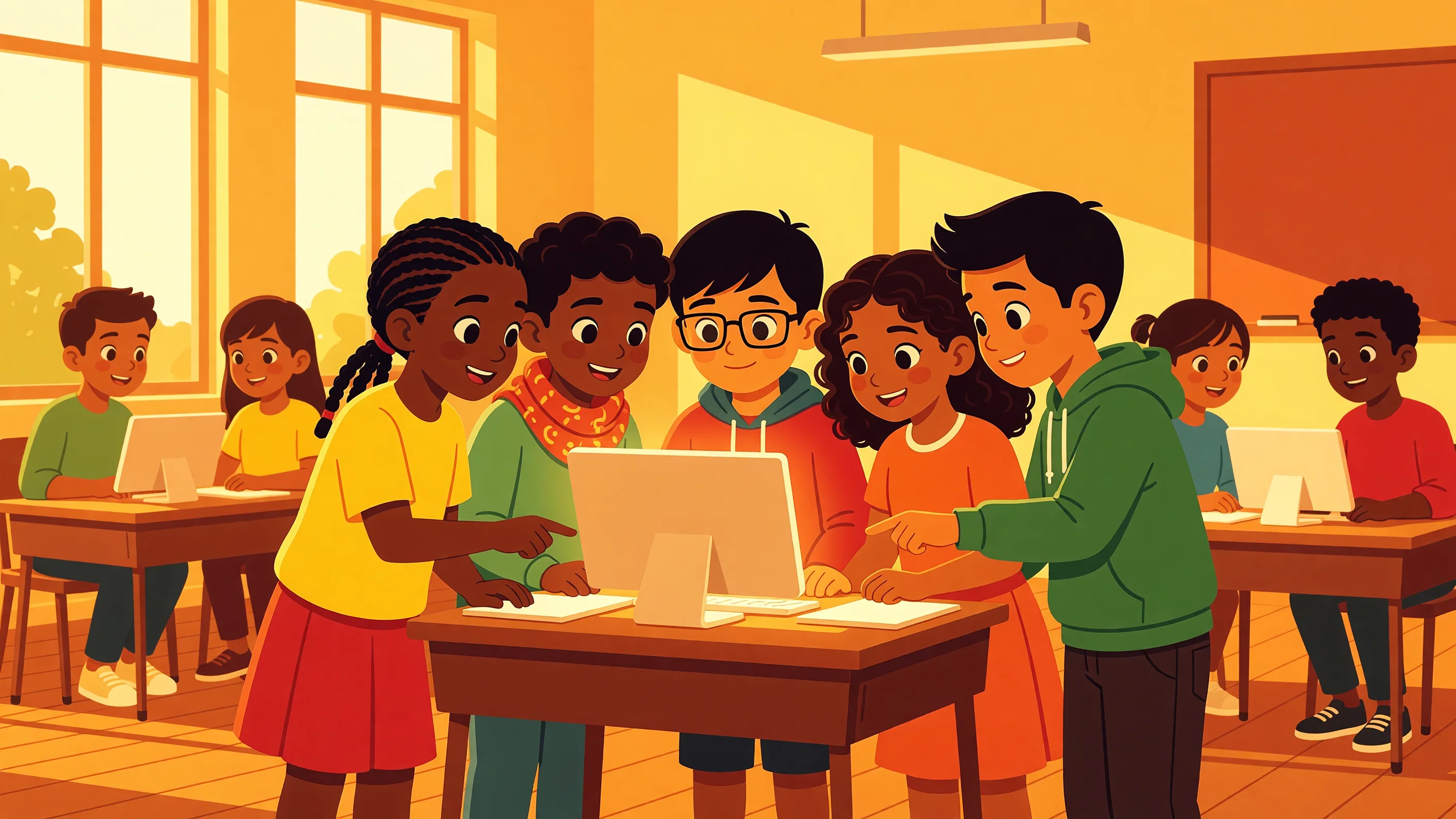
India's initiative to train ten million youth in AI highlights the need for lightweight, decentralized educational tools, a philosophy embodied by the EtudeIA app.

Integrating Google Gemini for underage students raises privacy concerns. The local approach of ÉtudeIA and Matania offers a sovereign alternative.
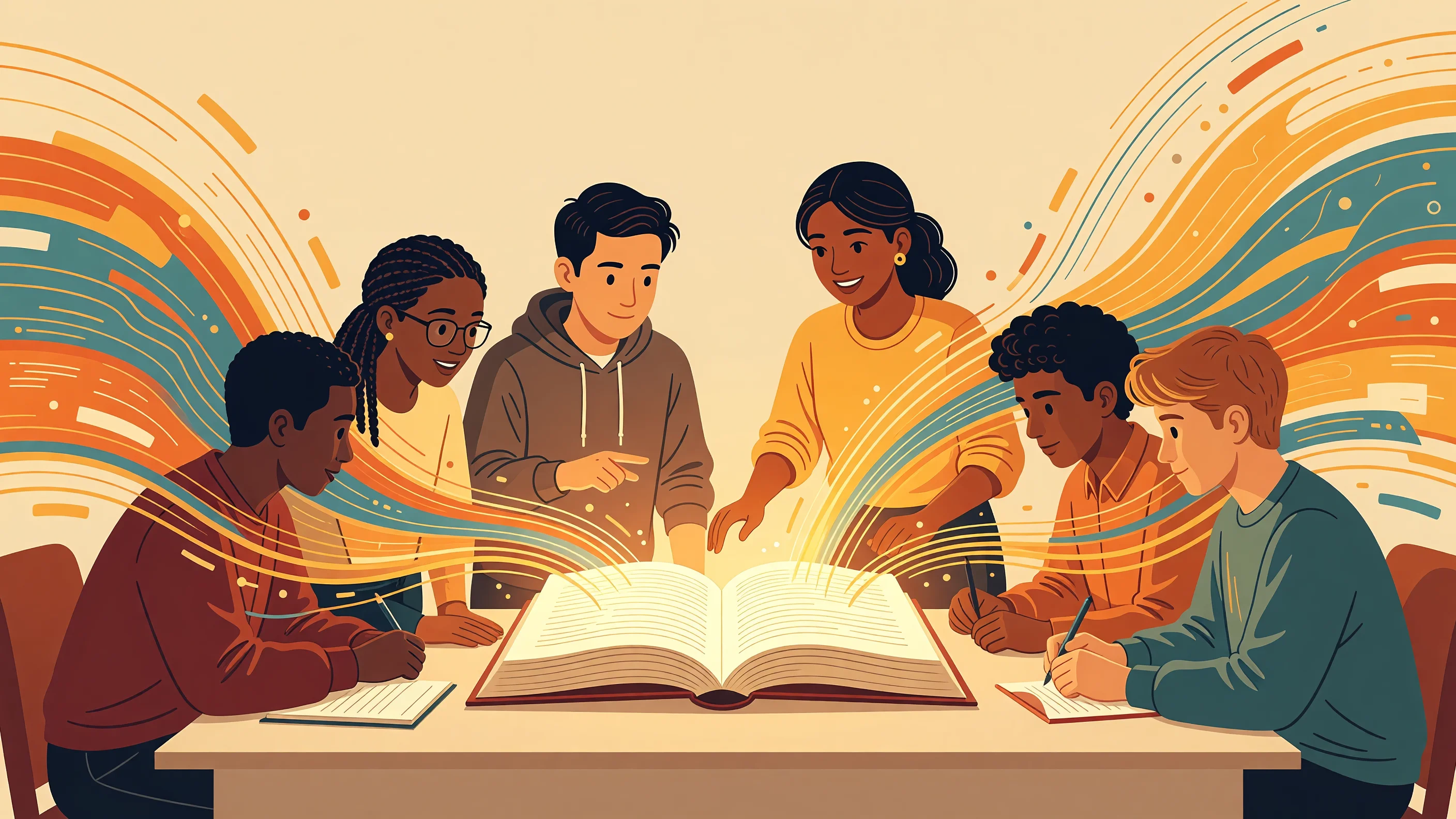
As AI deploys across universities, teacher training must move beyond managing plagiarism to focus on sovereign, secure pedagogical support.
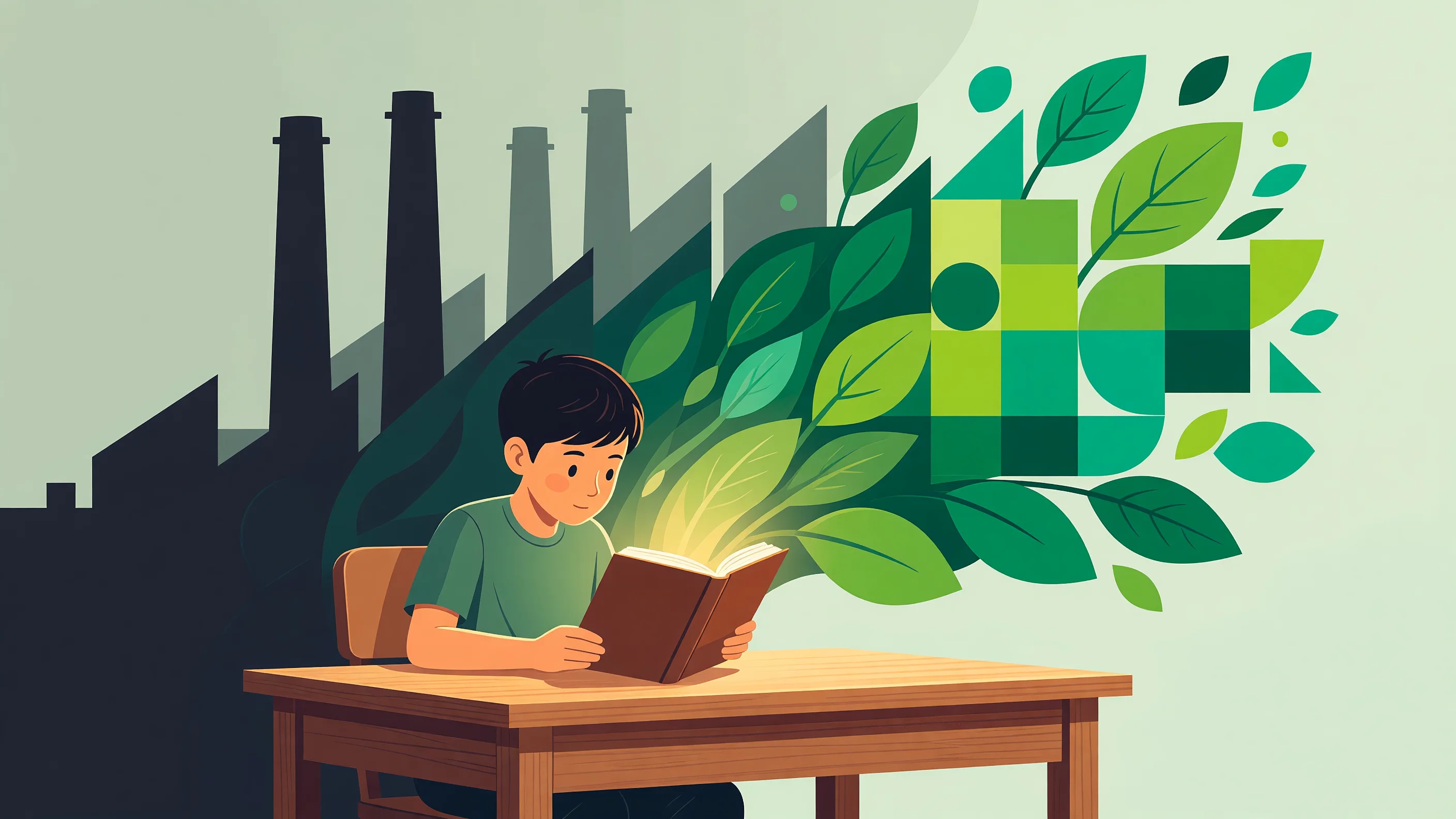
Meta's historic ruling in New Mexico highlights the dangers of persuasive design, prompting a rethink of digital learning environments.

As tech giants roll out costly AI hardware, a universal and sovereign software approach is needed to make the most of our existing screens.
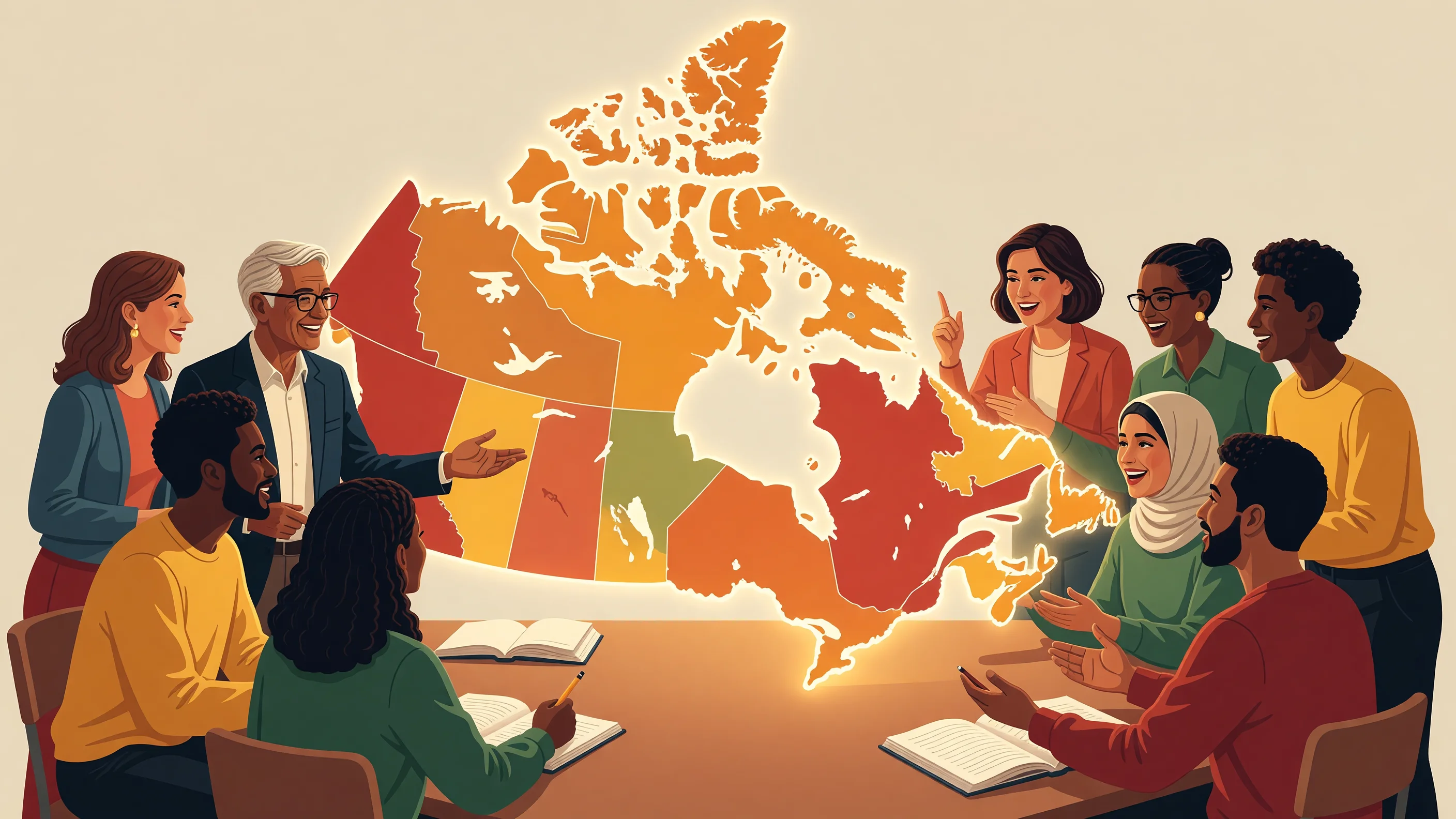
Faced with new Immigration Canada rules, Quebec educational institutions can secure application analysis using ProductivIA's Document Base.
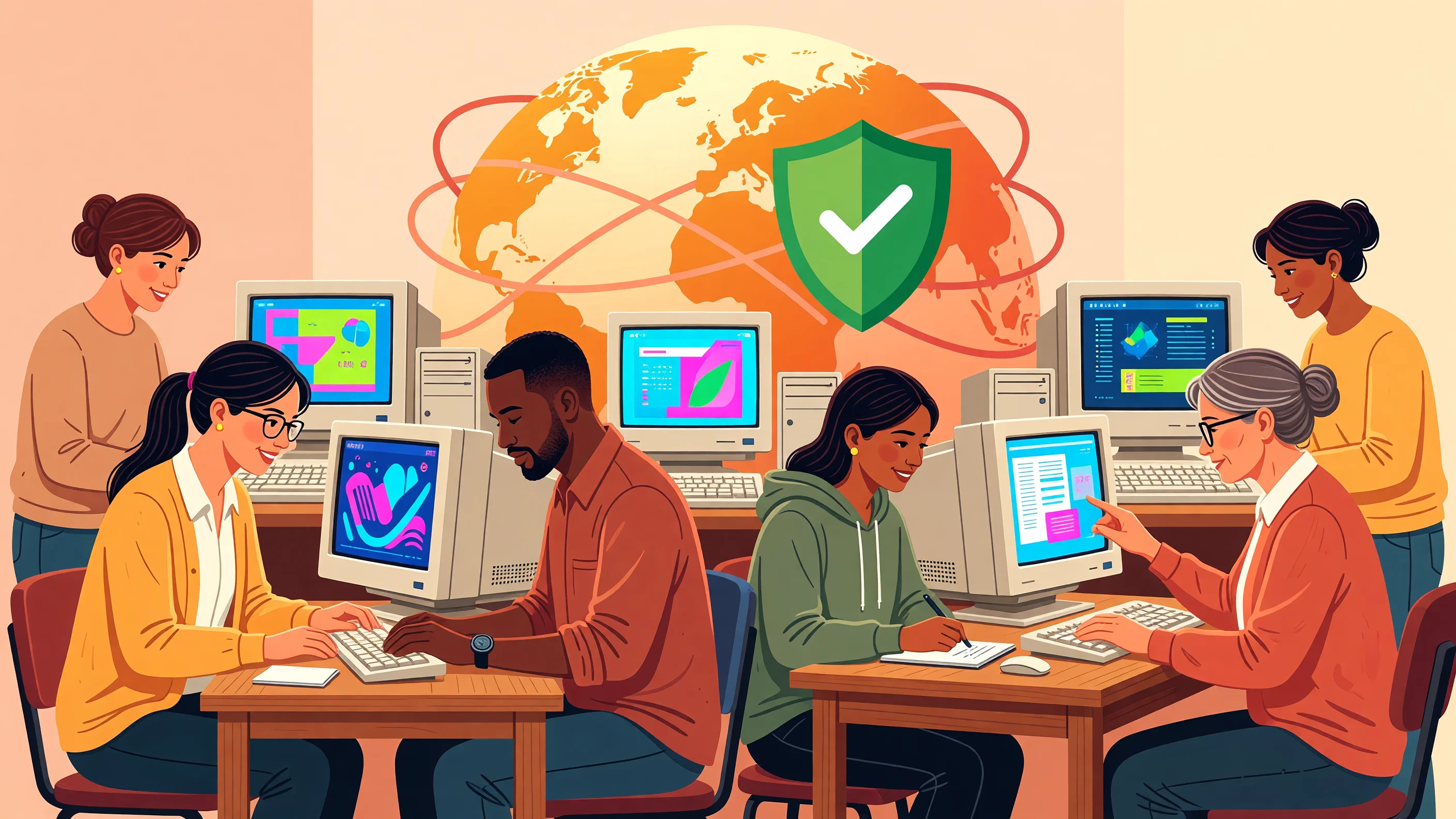
In light of Apple's supply chain pressures, the combination of Boréal-OS and ProductivIA offers a sovereign alternative to extend the lifespan of IT fleets.
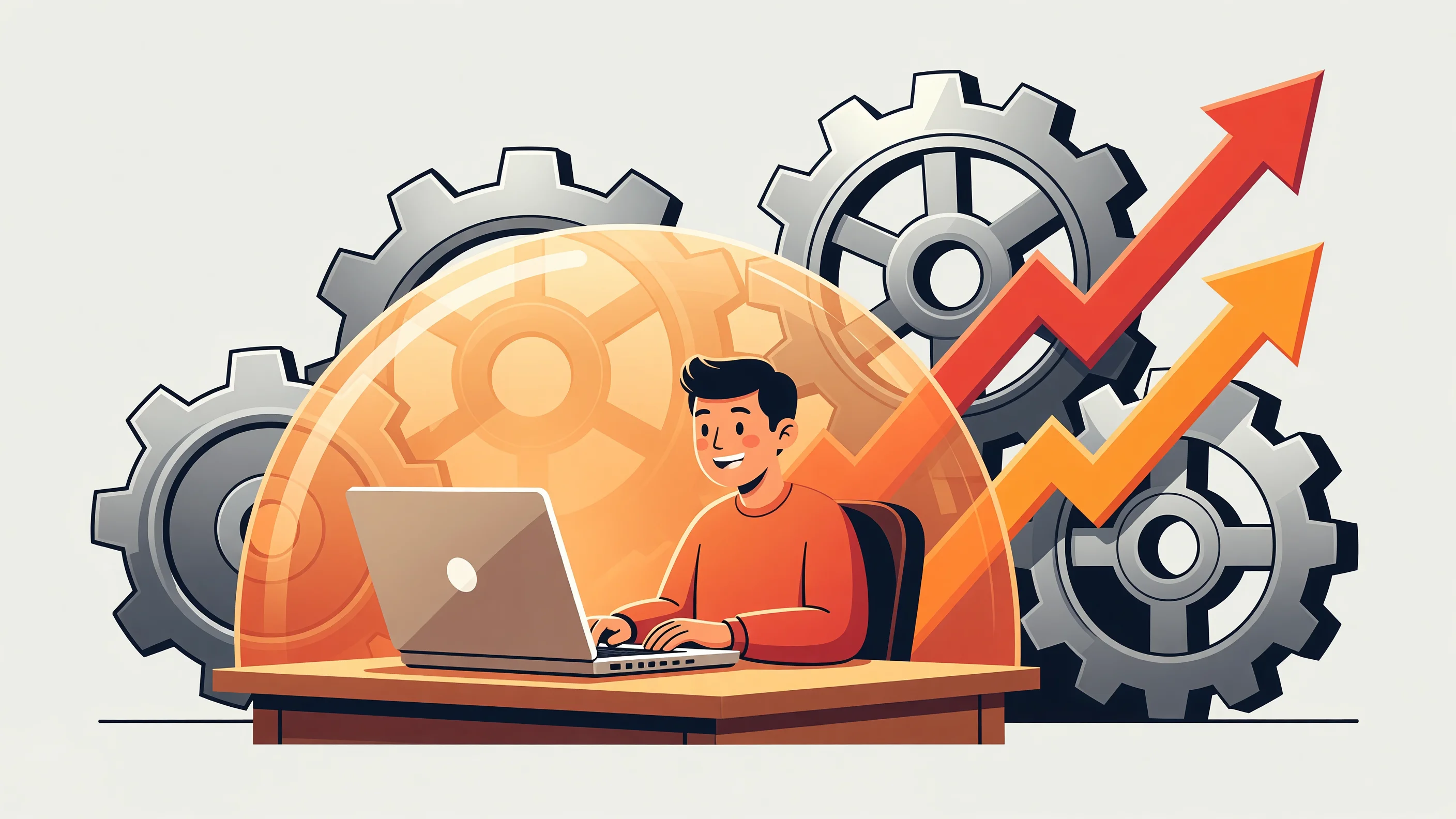
Faced with soaring memory and AI chip prices, the alliance of Boréal-OS and ProductivIA offers a sober alternative to break free from forced obsolescence.
Detecting the rare Chinese bahaba in Hong Kong using environmental DNA shows the power of embeddings to find hidden concepts in your data.
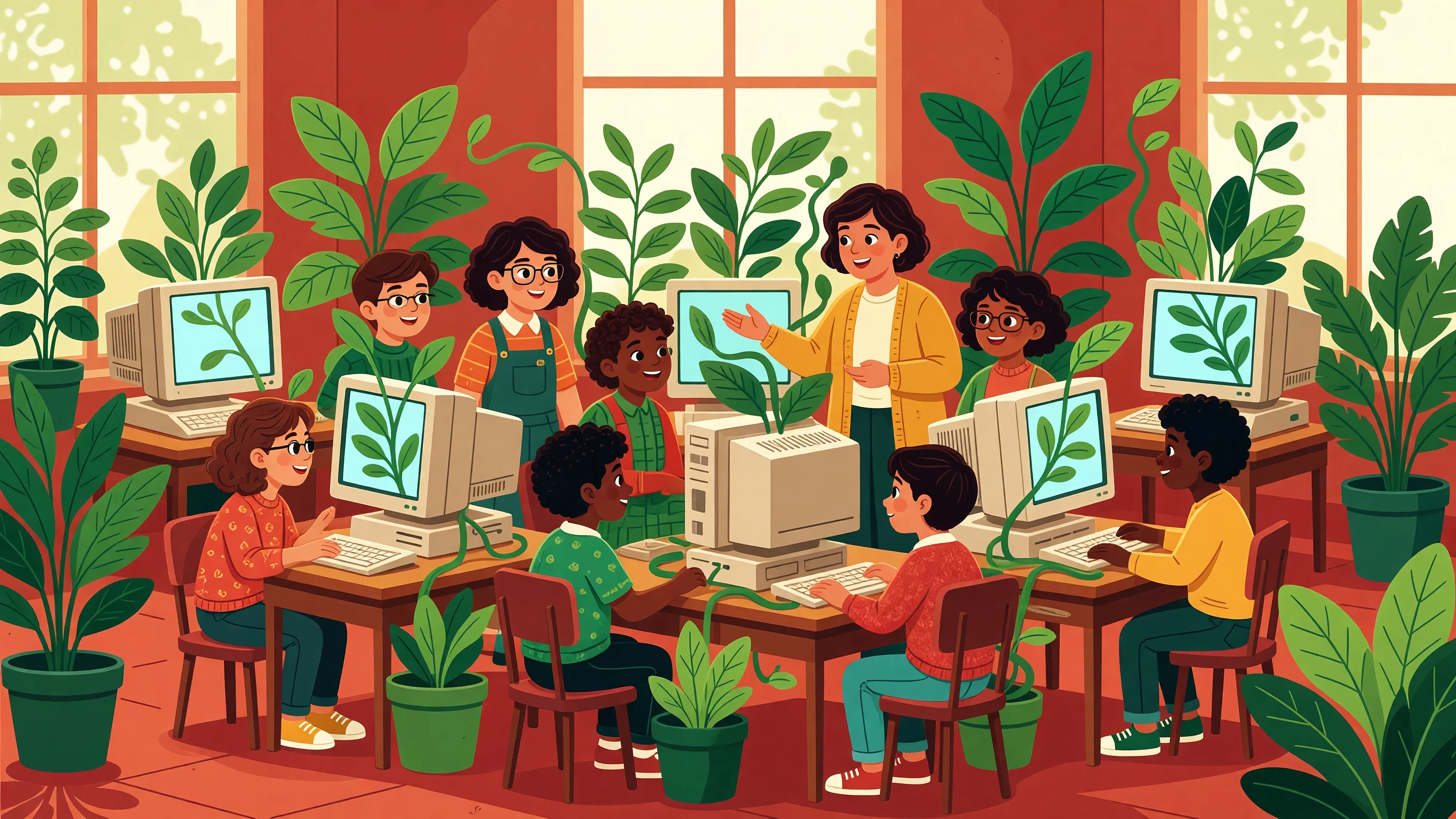
In the face of declining education budgets, combining the EtudeIA application with Boréal OS offers a sovereign, sustainable, and license-free alternative.
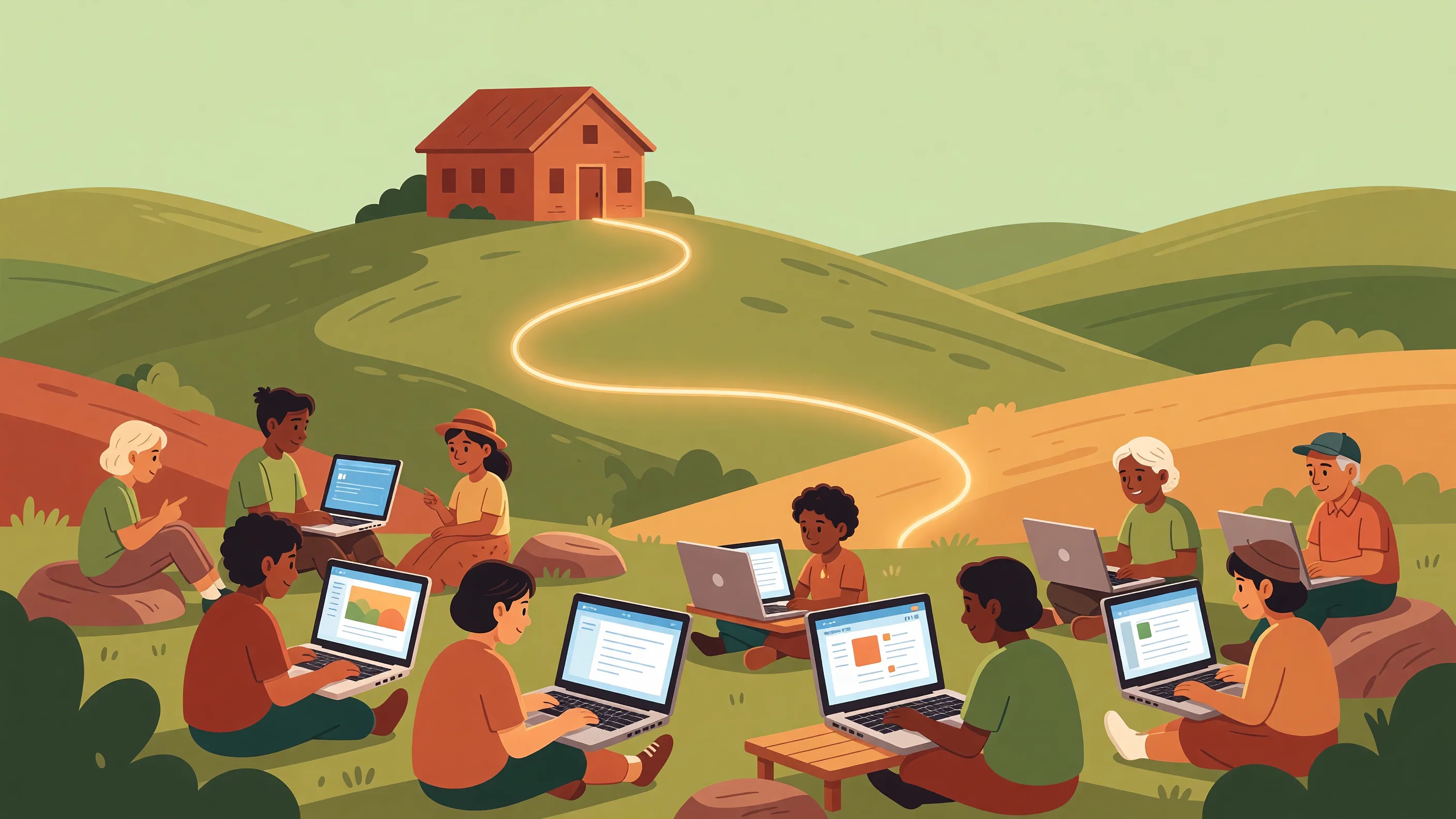
Bringing fibre optic internet to rural areas is meaningless if software obsolescence forces PCs into landfills. Boréal-OS and ProductivIA offer a sustainable alternative.

With the EU raising concerns over TikTok, secure and isolated environments are essential. ProductivIA addresses this challenge in schools with Nuage and EtudeIA.

Custom 3D-printed contact lenses in Canada illustrate a major transition: the shift from standardized solutions to tools perfectly adapted to individual needs.
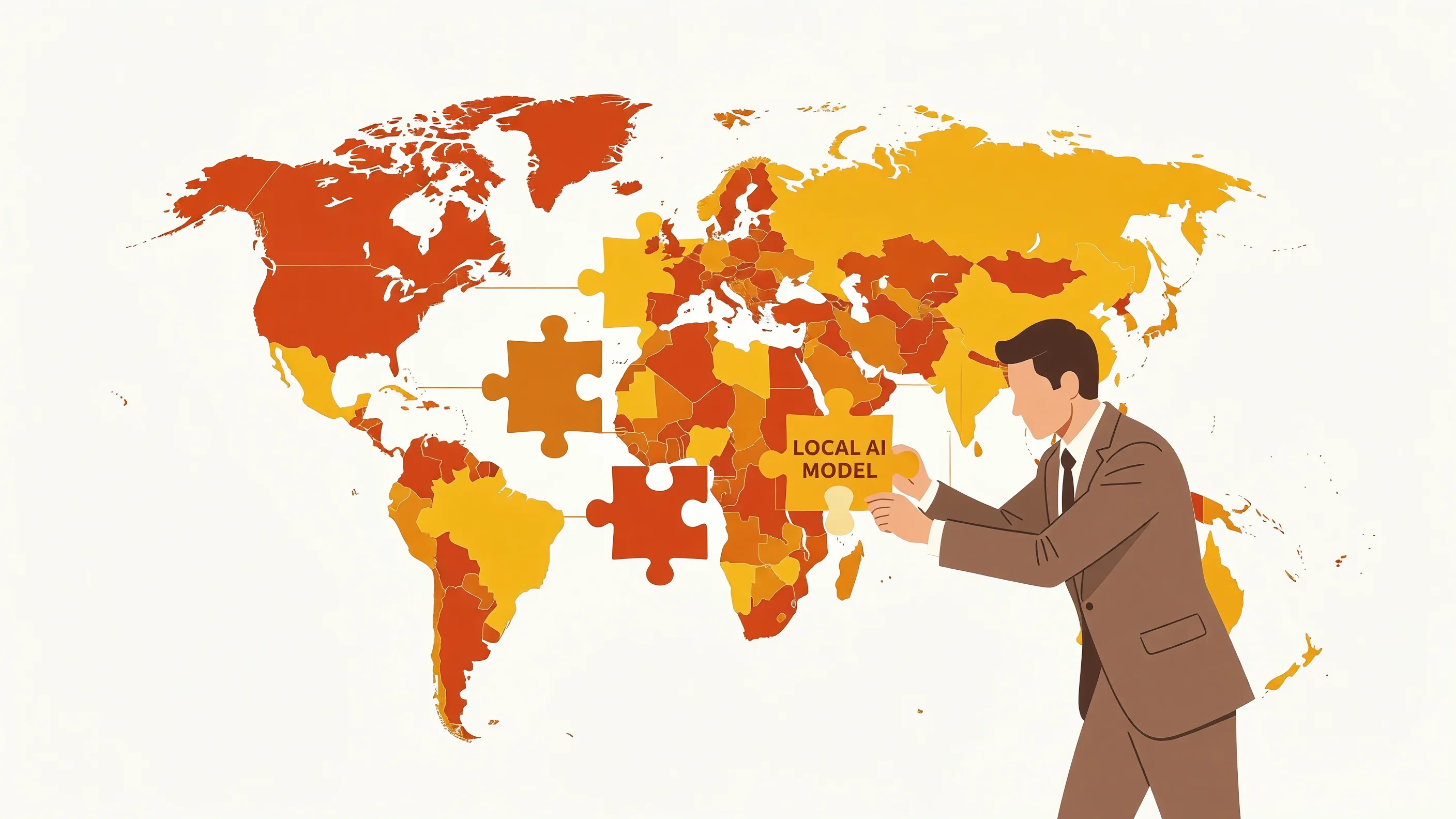
Apple's requirement to integrate local models like Qwen in China signals the end of centralized AI and validates ProductivIA's decoupled architecture.
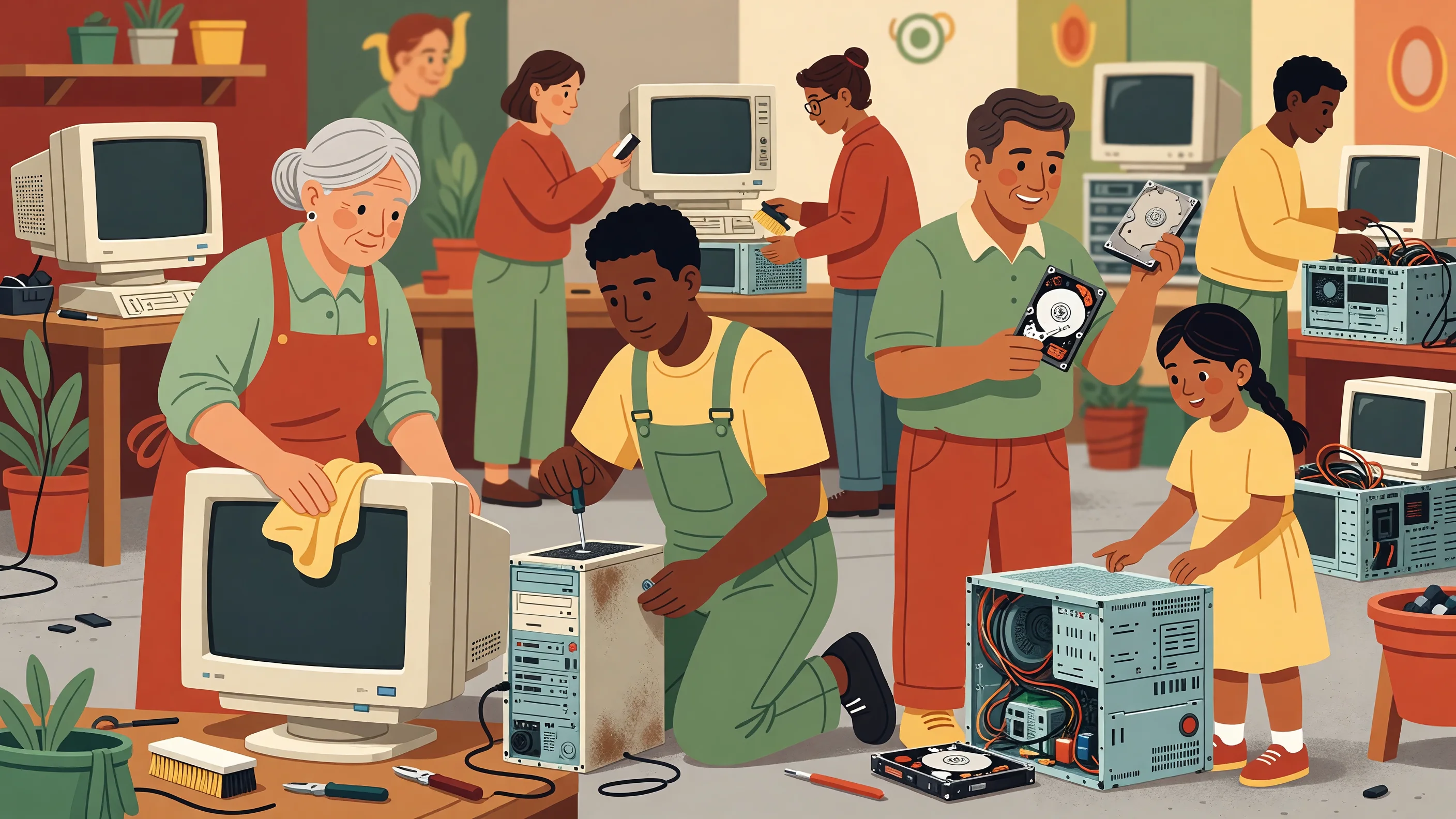
Faced with Windows 11 requirements, Boréal-OS and ProductivIA aim to extend computer lifespans to reduce the carbon footprint of hardware manufacturing.
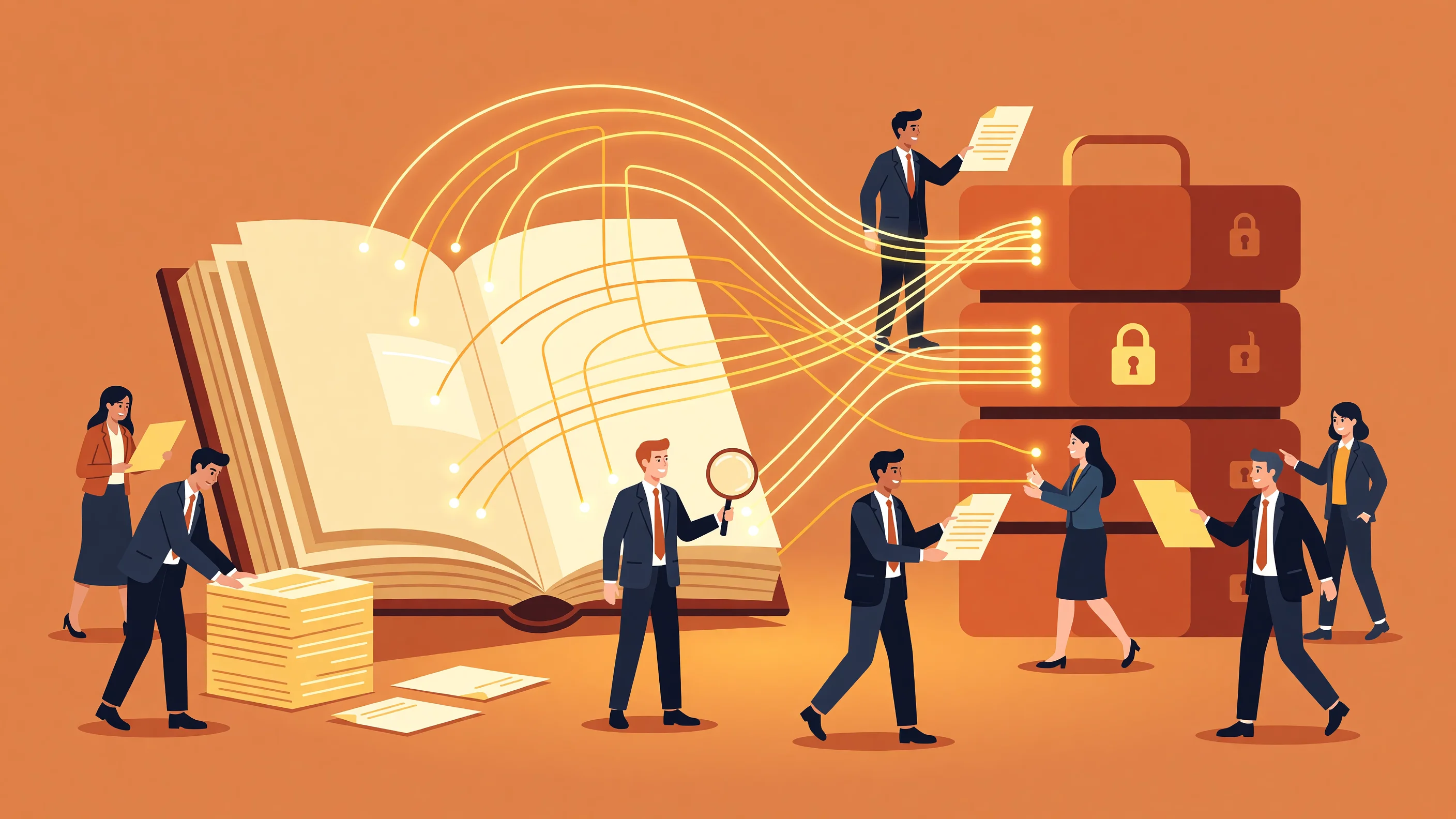
The lawsuit by major publishers against Google Gemini highlights the legal risks of opaque AI and the importance of ethical RAG based on verified sources.

As Bill C-36 attempts to regulate data protection in the face of AI, local execution via WebGPU offers an unstoppable technical solution.
The sanction of a Spanish administration for transferring school data to Microsoft highlights the urgent need for sovereign, airtight solutions like ProductivIA.
The AI data centre frenzy is driving up the cost of RAM. In the face of this inflation, hardware sobriety with Boréal-OS and ProductivIA is becoming a necessity.

As AI developers shift from simple chat interfaces to integrated workspaces, ProductivIA demonstrates the power of its browser-based OS architecture.
With hardware prices soaring due to the RAM crisis, extending the lifespan of existing PCs with Boréal-OS and ProductivIA has become a necessity.

In the face of identity data collection risks, ProductivIA shows that AI-driven education is possible without centralizing or exporting student data.
Facing overly complex school platforms, ProductivIA's ÉtudeIA app and Document Base offer a seamless, no-code alternative that complies with Law 25.

The success of Toy Story 5 revives the debate on tablets versus physical toys, offering an opportunity to explore a balanced use of digital tools with the ÉtudeIA app.
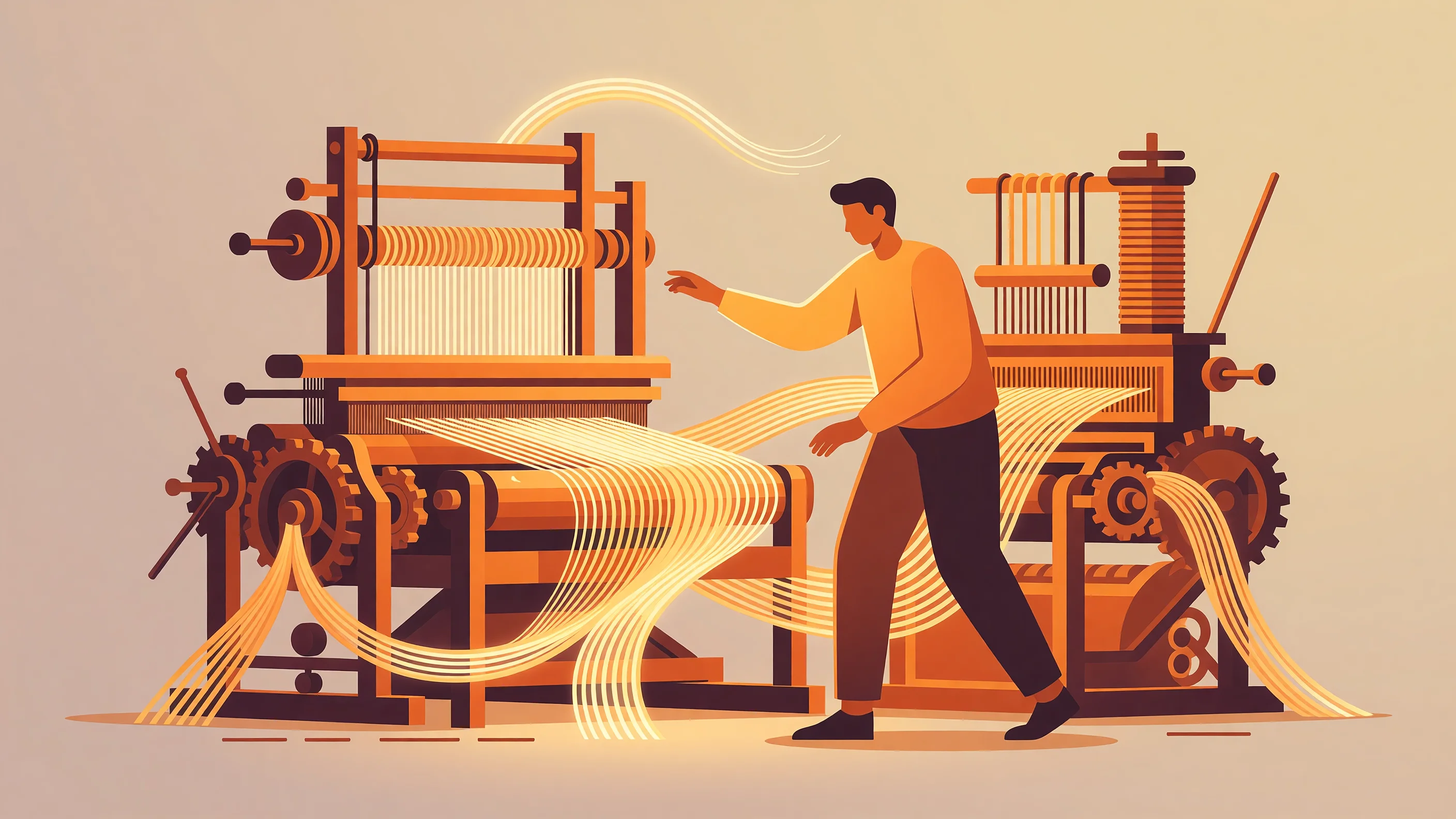
As Anthropic explores self-improving AI models, securing autonomously generated code requires a watertight, sandboxed no-code framework to prevent critical failures.
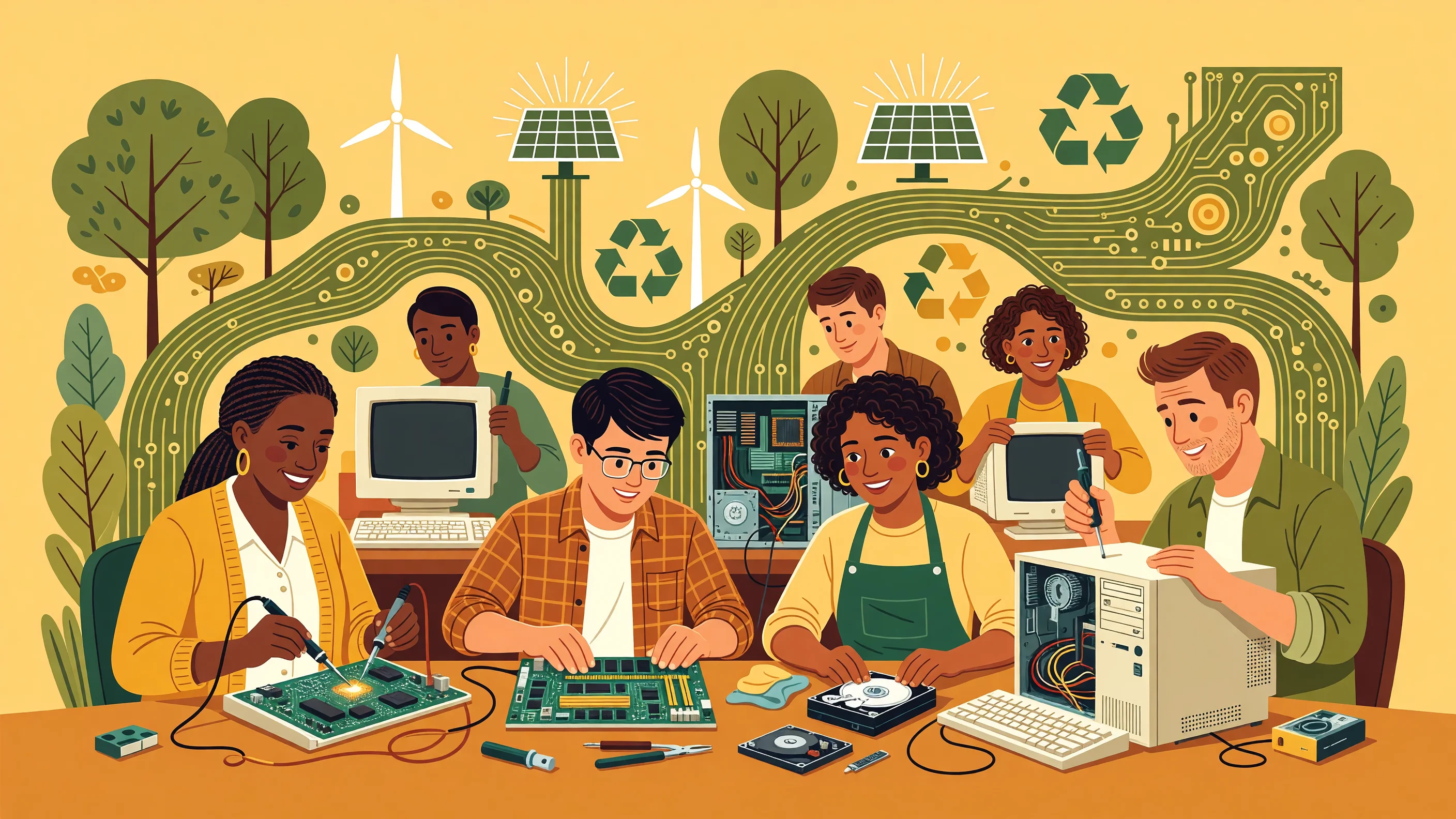
As computer hardware prices rise due to AI chip shortages, Boréal-OS and ProductivIA offer a way to extend the lifespan of existing IT fleets.
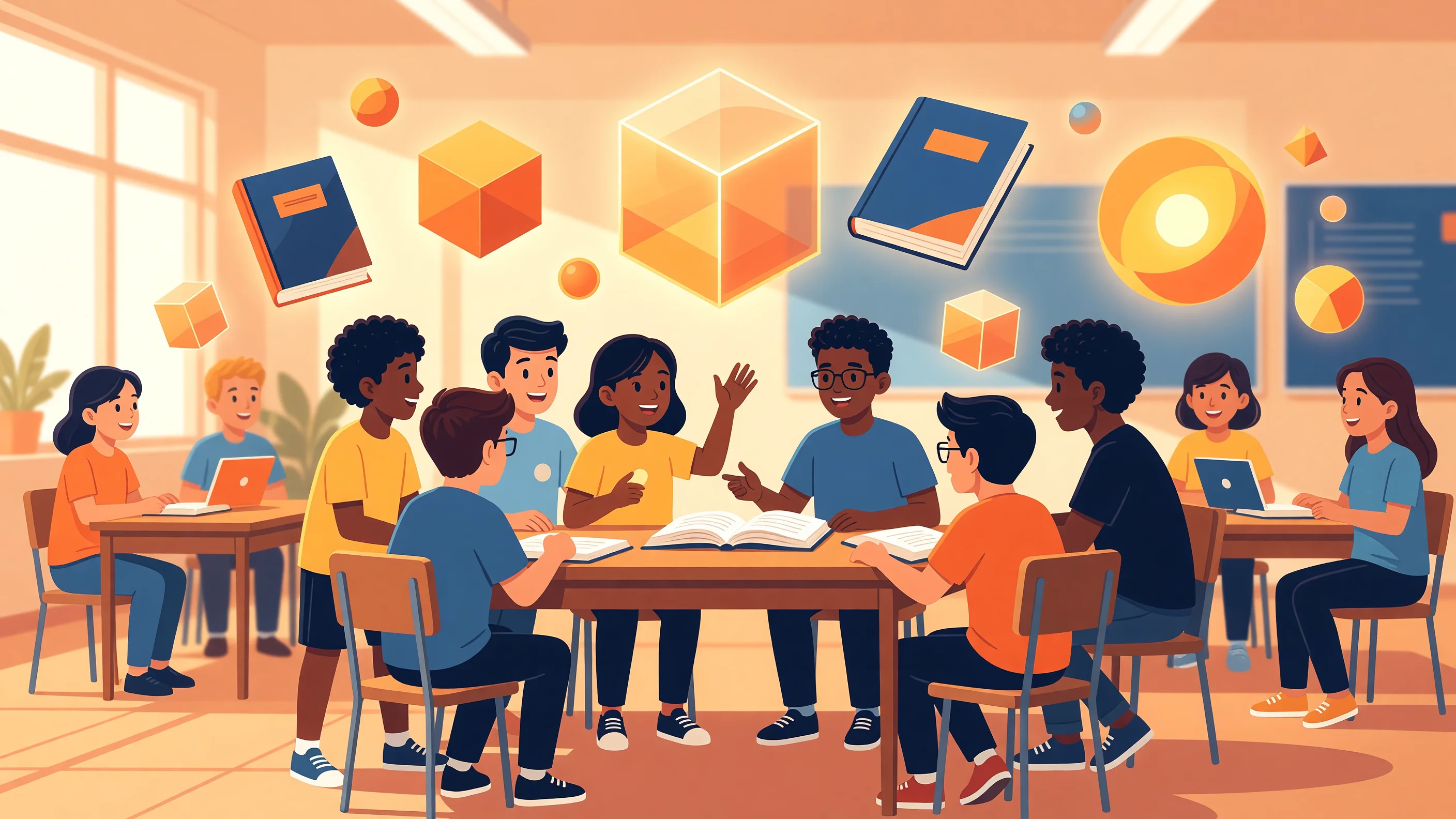
As the G7 commits to digital safety for youth, protecting school data from commercial AI is emerging as a major sovereignty issue.
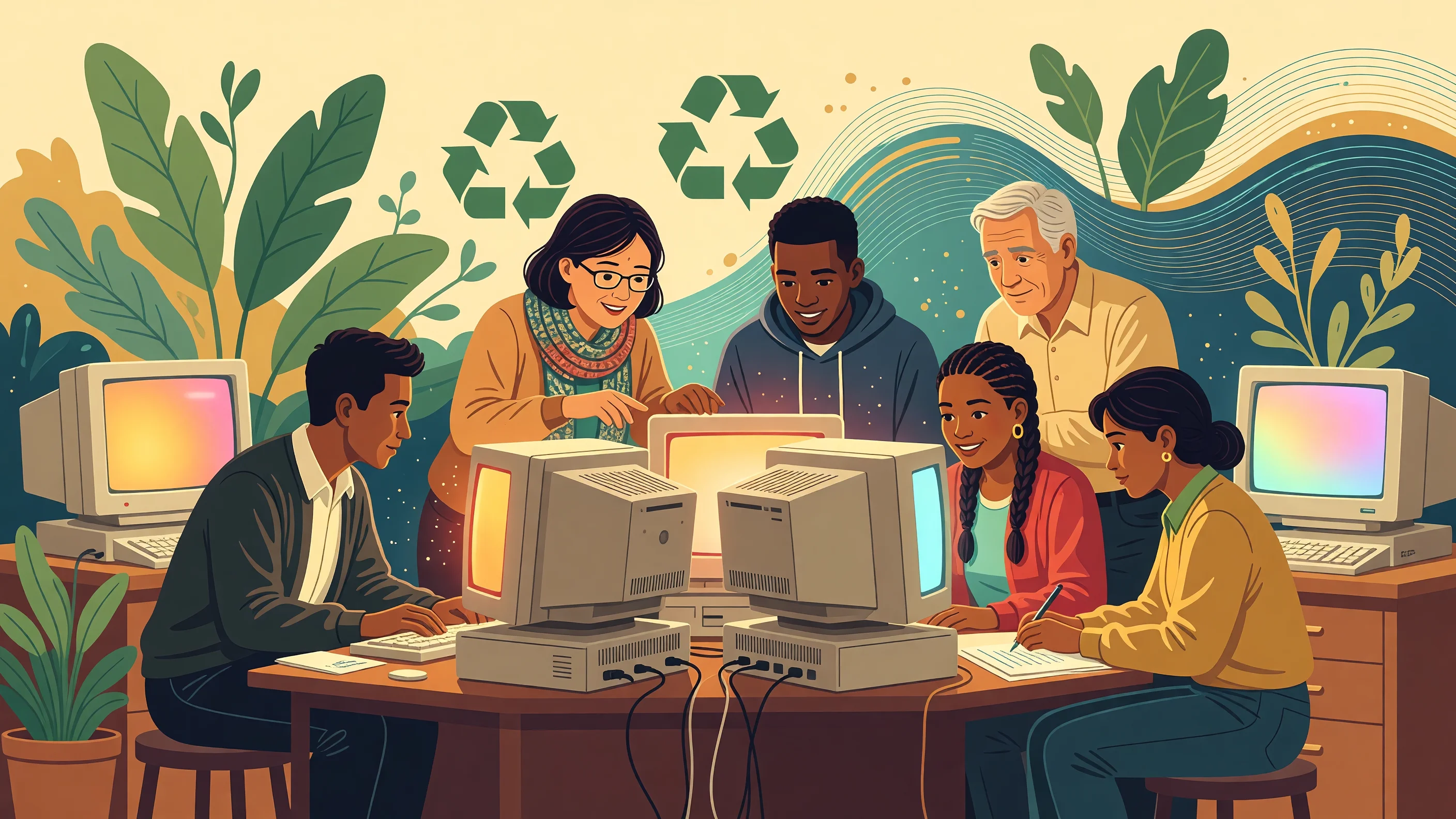
Faced with rising prices for AI-optimized computers, Quebec's sovereign ecosystem offers a way to maximize existing hardware using WebGPU and Boréal-OS.
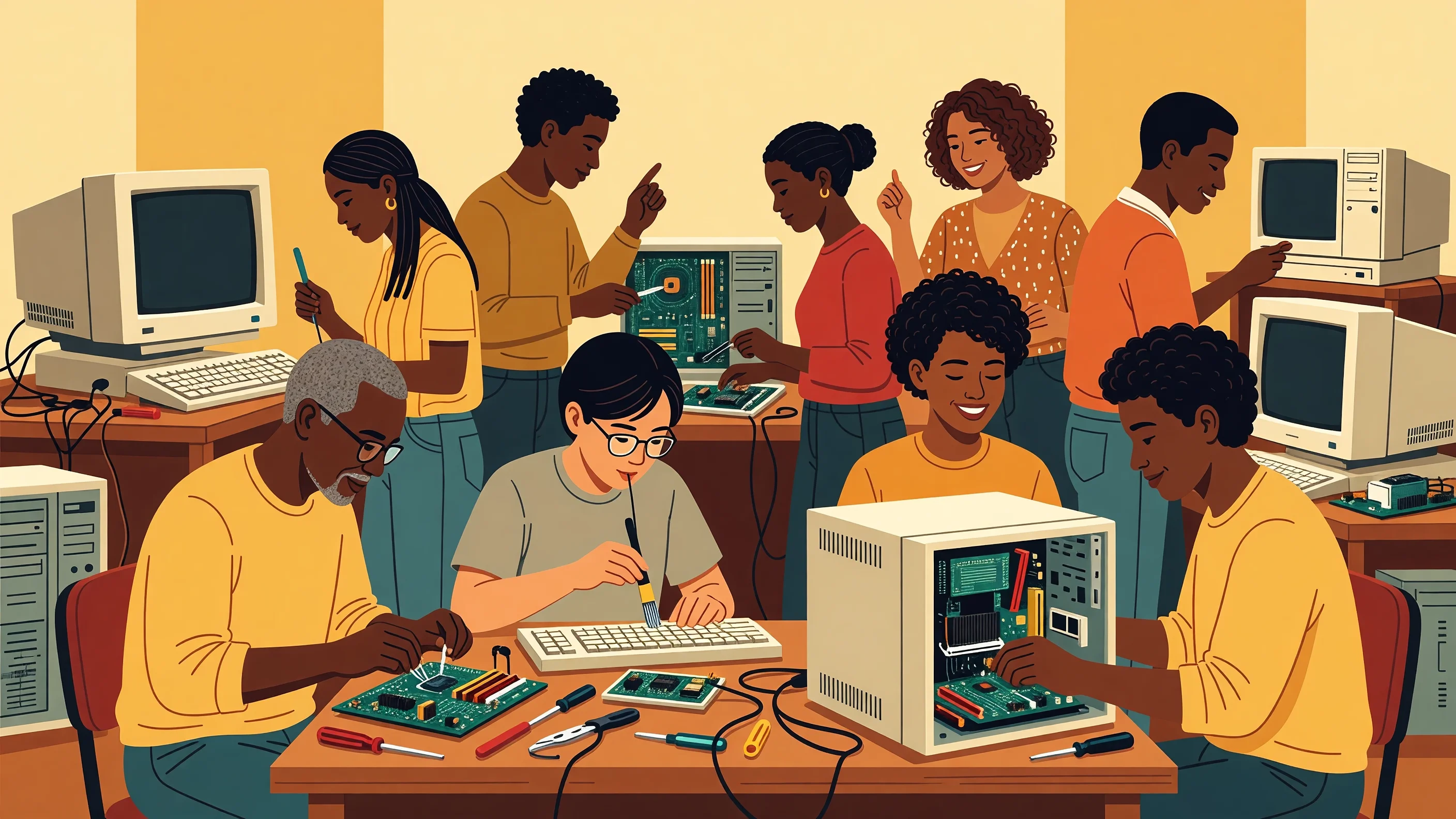
In the face of climate setbacks from international bodies, Boréal-OS and the ProductivIA platform demonstrate that concrete, local digital sobriety remains possible.

As Ottawa tightens regulations on conversational bots, the ÉtudeIA application shows how a structured, sovereign learning environment already protects minors.

As Canadian universities slip in global rankings, integrating sovereign learning tools like EtudeIA is redefining secure academic support.
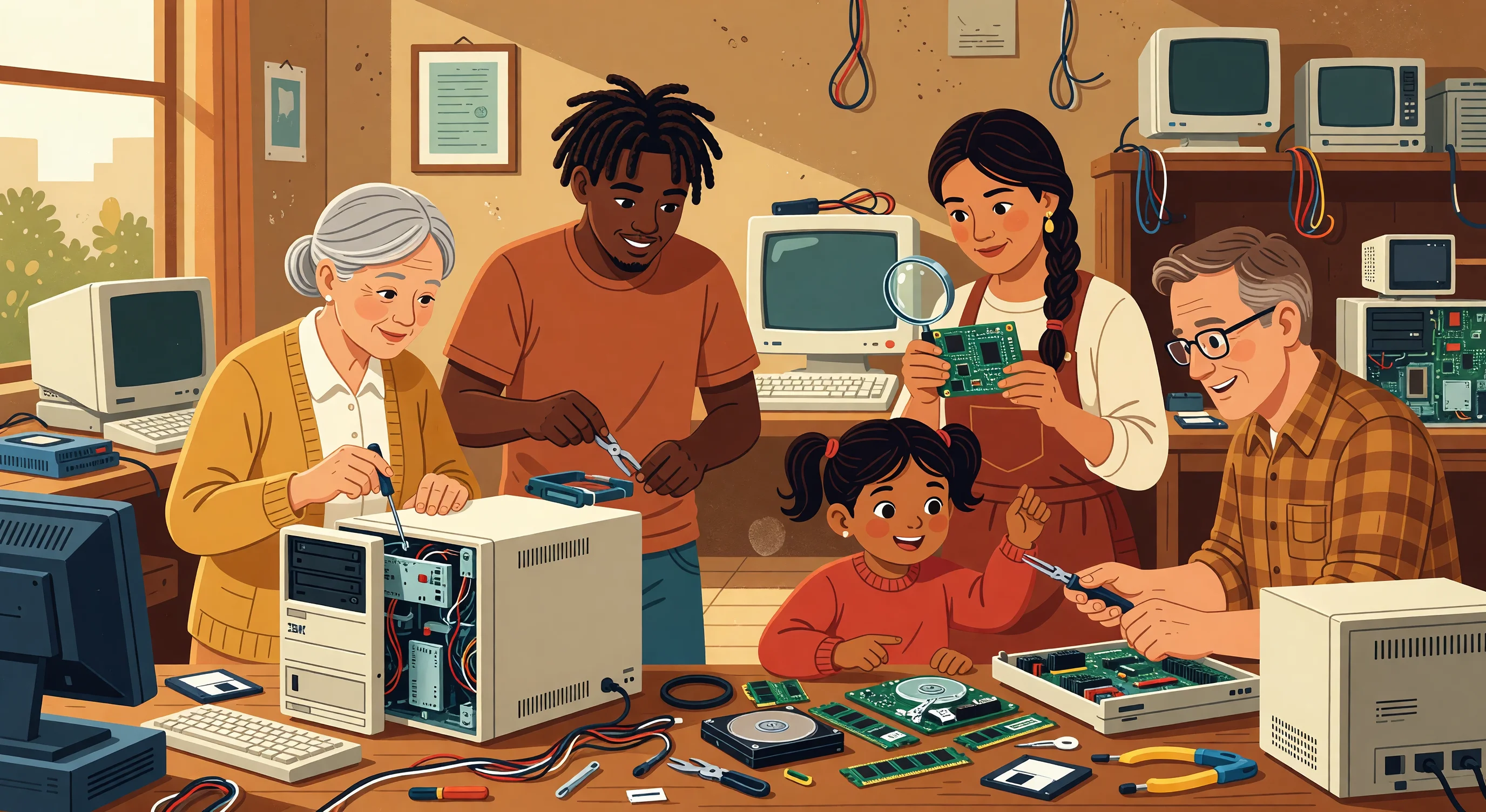
Faced with software exclusion from proprietary publishers, the alliance of Boréal-OS and ProductivIA decouples hardware from software to extend the lifespan of PCs.
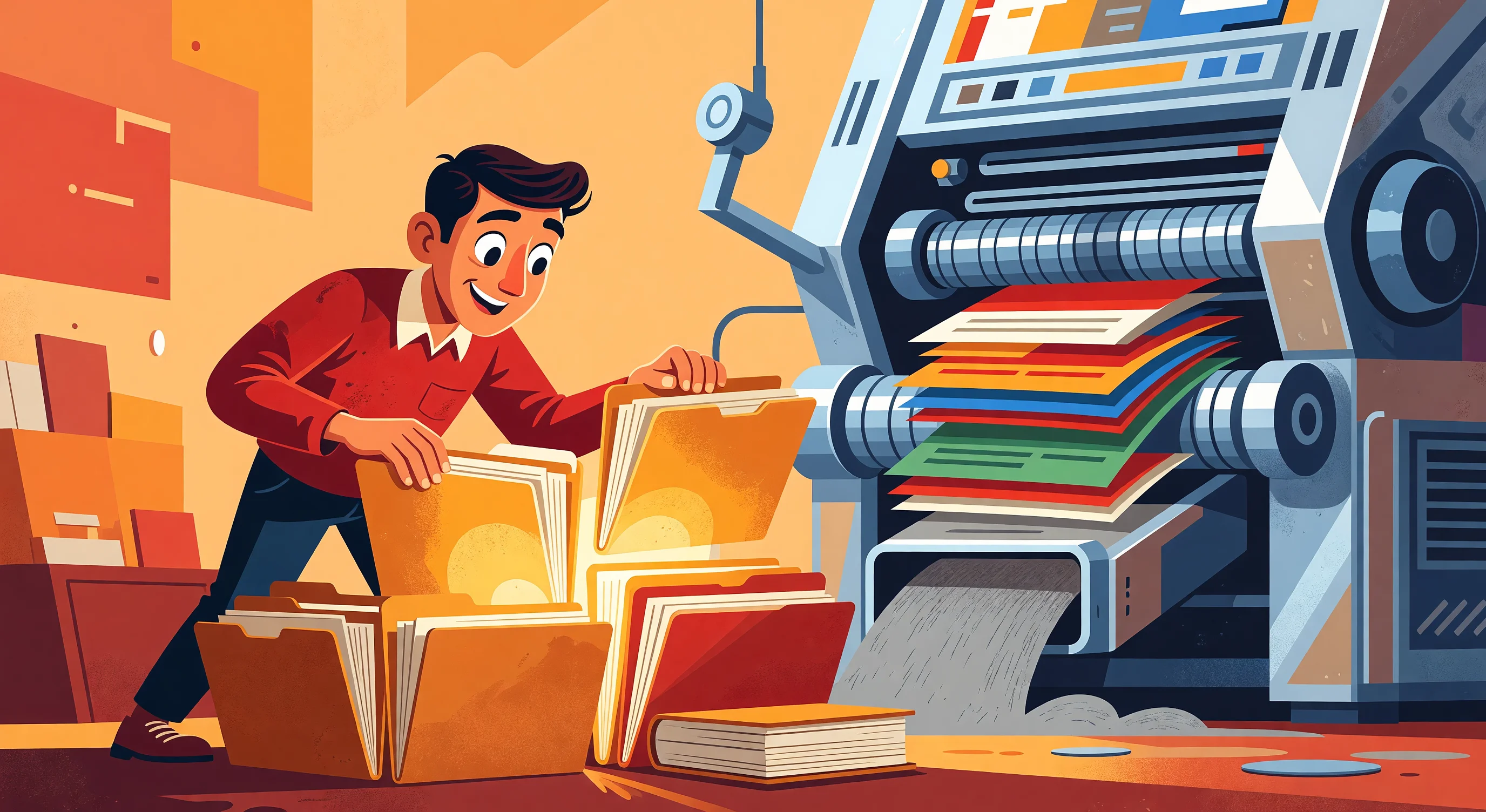
As AI search engines standardize knowledge, using the Document Library and News app together preserves source traceability.
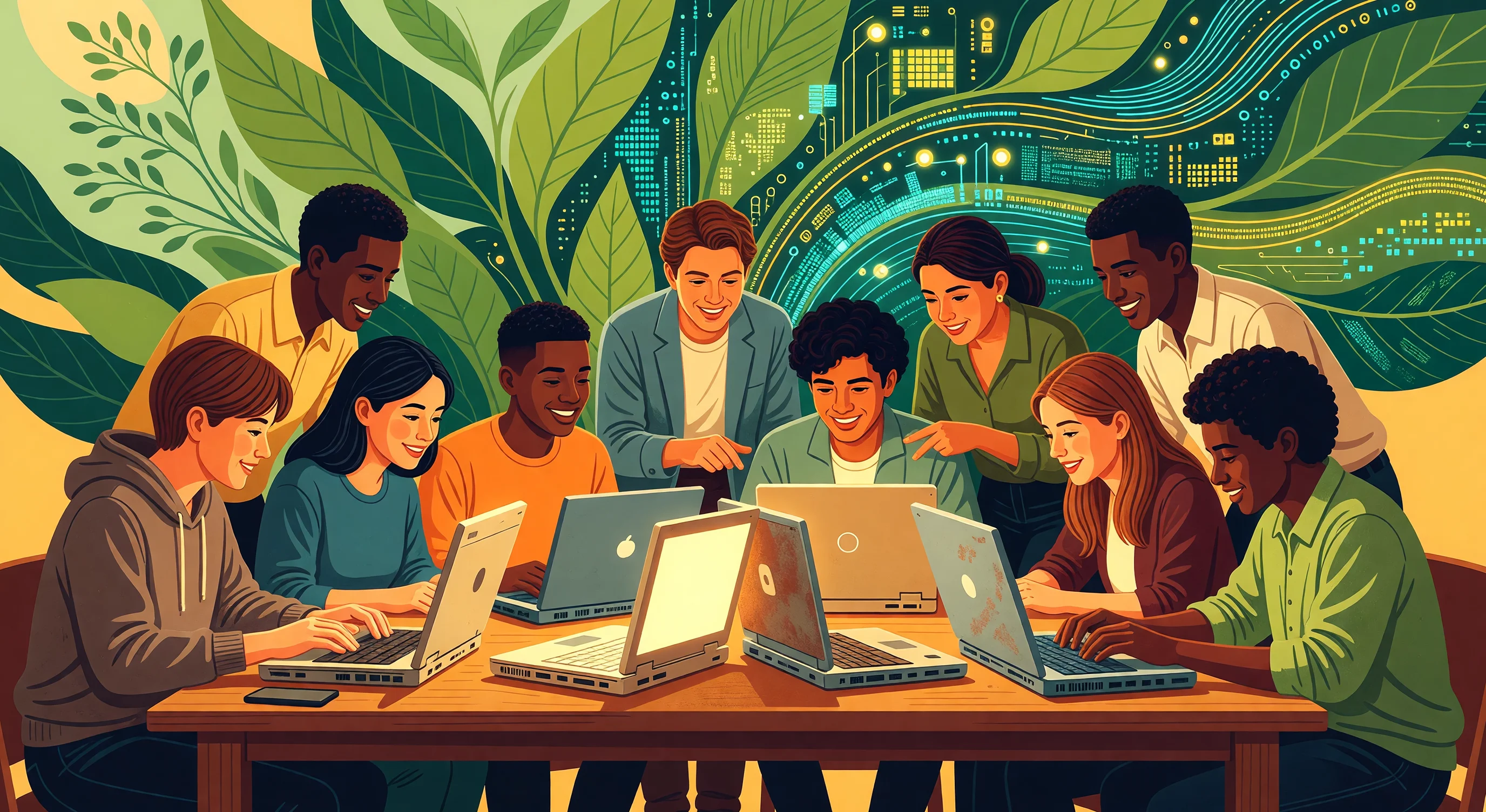
As the price war on student laptops rages, the synergy between Boréal-OS and ProductivIA offers an eco-friendly alternative: reviving existing hardware.

Side-by-side comparative evaluation of AI models exacerbates dialectal bias. Integrating sovereign models like Matania helps diversify perspectives.
Facing opaque proprietary systems, Polytechnique suspends its migration to Microsoft 365, highlighting the growing importance of digital sovereignty.
As Ottawa plans to curb the flight of AI intellectual property, combining local RAG with Matania offers a concrete, sovereign solution.

Faced with youth unemployment, the Bank of Canada calls for education reform. ProductivIA addresses this challenge by prioritizing logical orchestration over syntax.
As users push back against forced AI integration by tech giants, transparent alternatives like GoIA and Nuage are emerging in Quebec.
Faced with massive investments in school computer fleets, a virtual browser-based system offers an alternative path toward sustainability and independence.
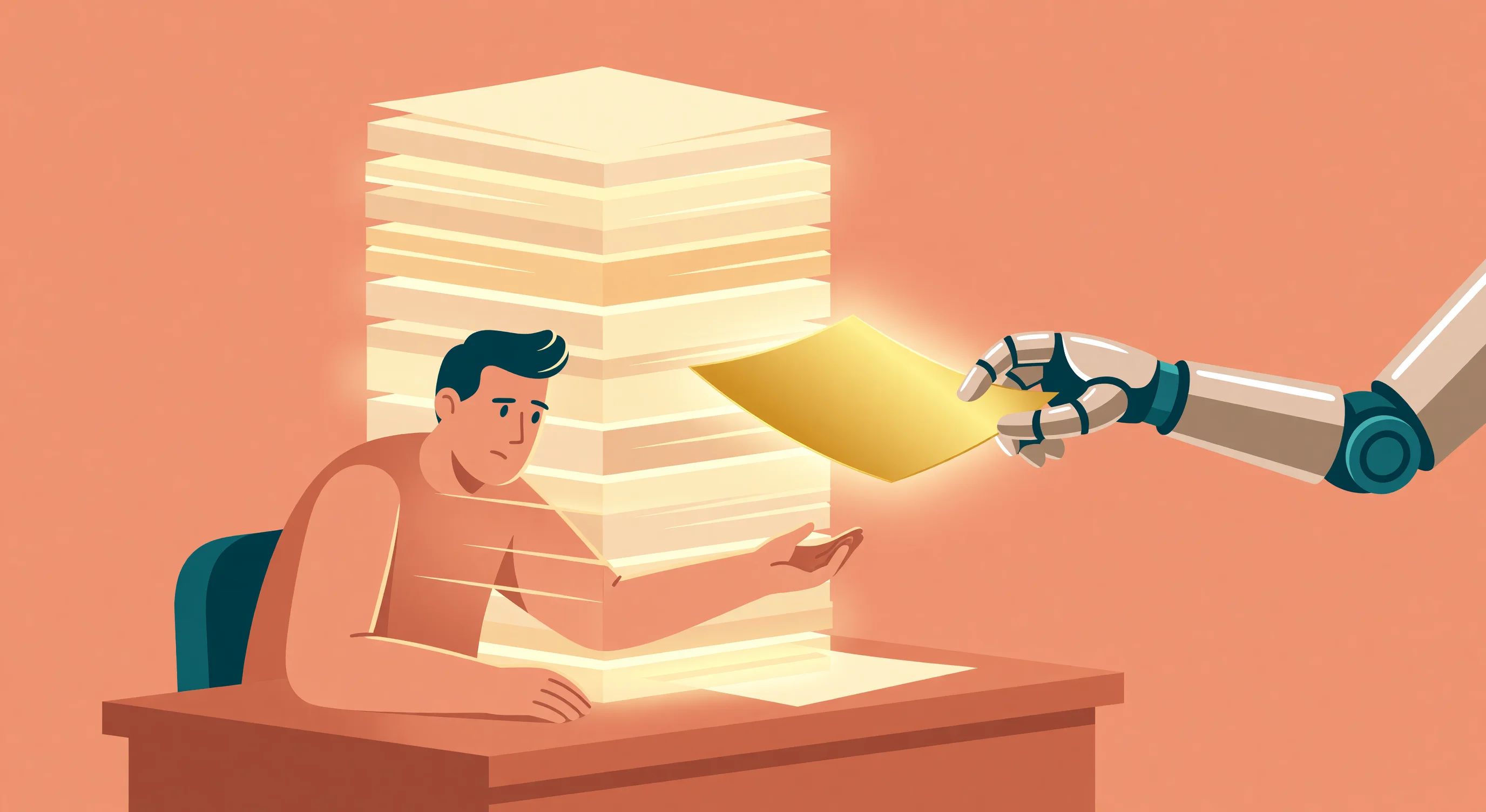
When dealing with large documents, AI models suffer from attentional fatigue. ProductivIA's Document Library RAG approach solves this precision challenge.
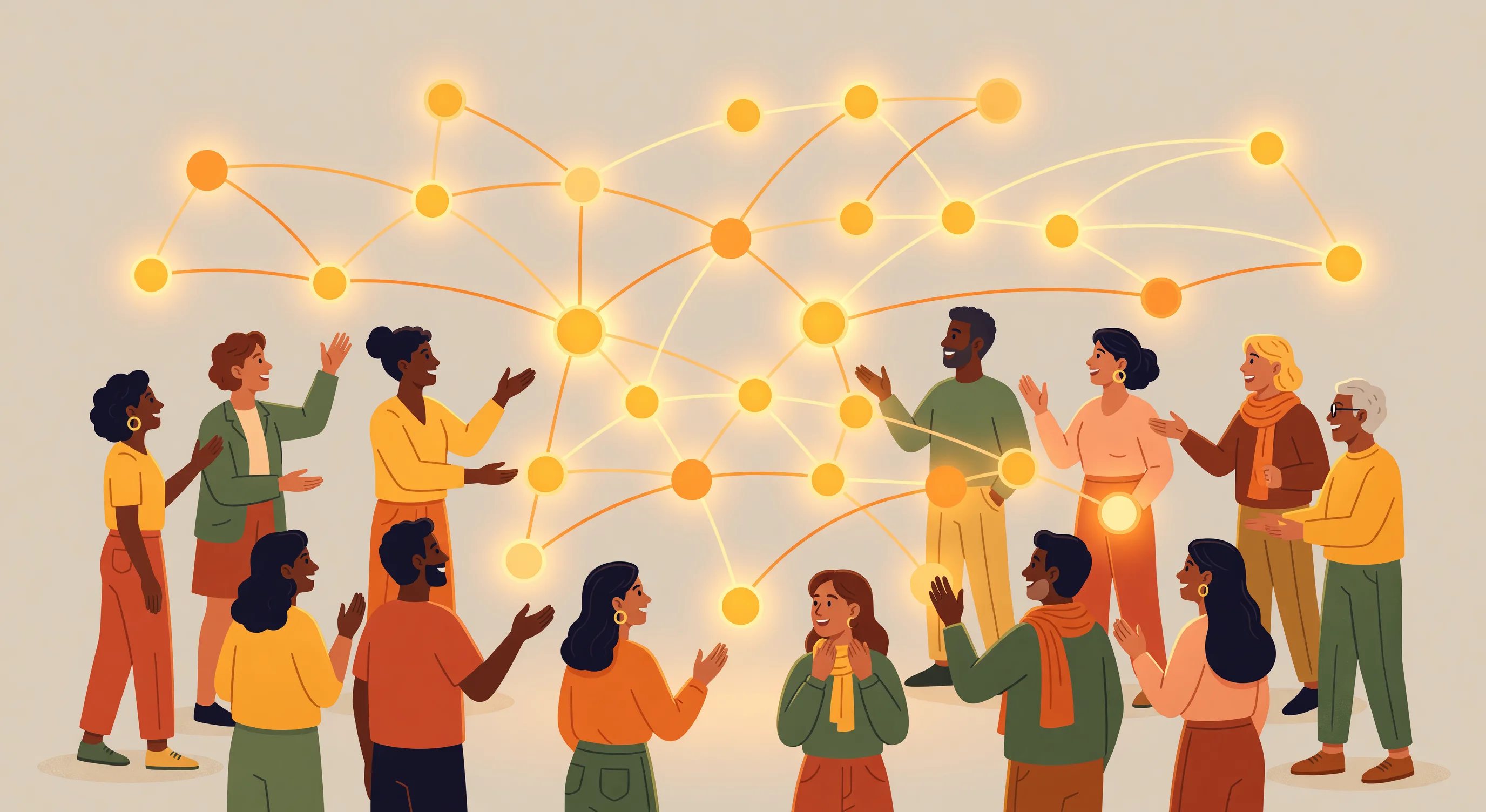
In response to Pope Leo's call against the concentration of technological power, decentralized and sovereign architecture emerges as a concrete ethical solution.