The Housing Challenge in Remote Regions
Building in the Canadian North is a logistical feat. Communities in Nunavut, Nunavik, and the Northwest Territories face a chronic housing crisis, exacerbated by extreme geographical and climatic conditions. In these regions, the outdoor construction window lasts only a few weeks during the summer. Added to this are the lack of permanent road networks, the requirement to ship heavy materials by annual sealift cargo ships or by air, and the scarcity of skilled local labour.
Faced with these constraints, traditional, custom-built construction projects show their limits. Delivery delays for a single structural component can freeze a project for an entire year. Furthermore, foundations must adapt to permafrost degradation driven by climate change, requiring lightweight, flexible, and highly predictable structures. According to a Senate of Canada report on housing in Inuit Nunangat, conventional construction methods are no longer sufficient to close the housing gap accumulated over decades.
Modular Prefabrication as an Industrial Response
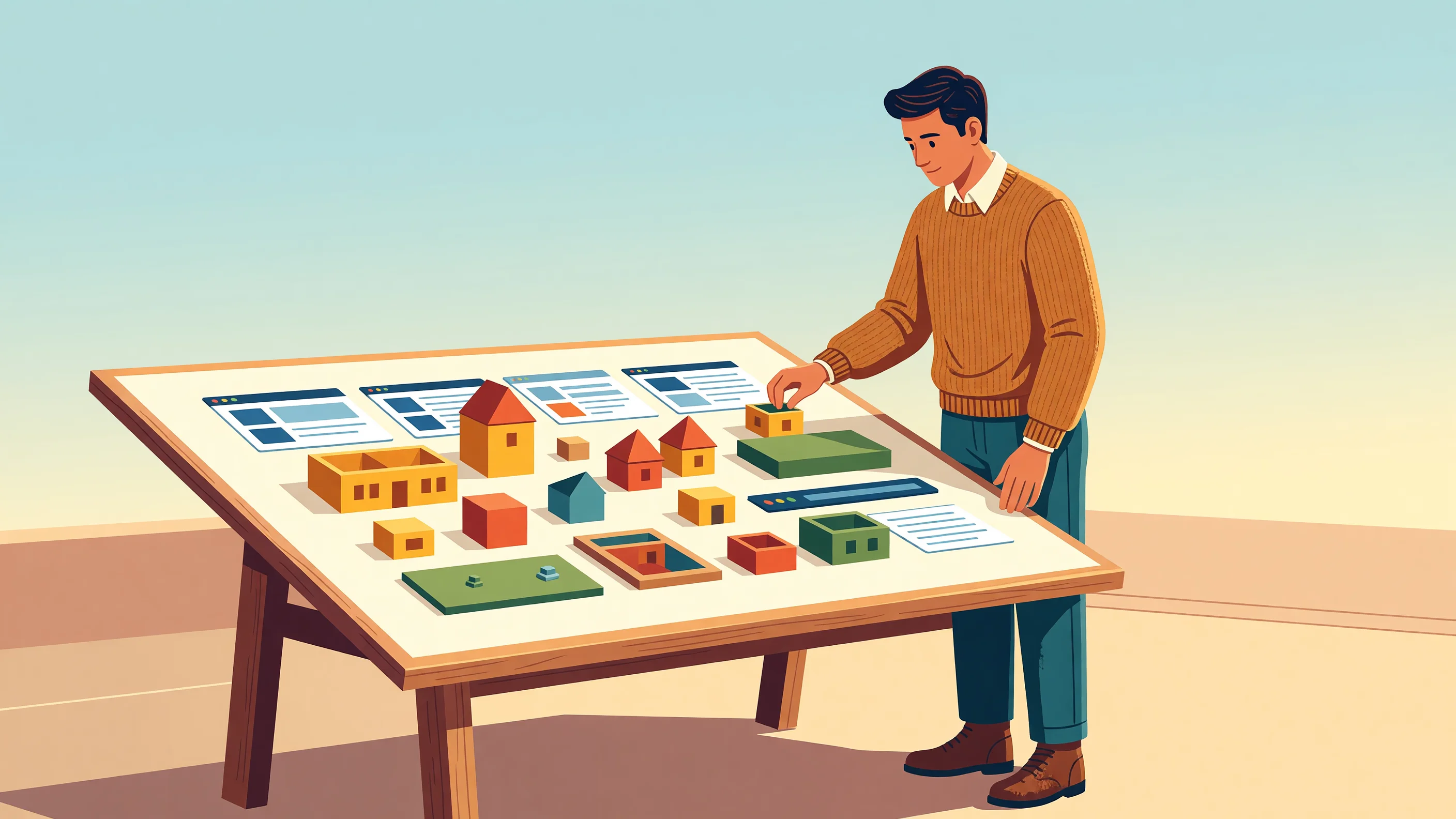
To bypass these obstacles, the industry is increasingly turning to prefabricated modular construction. This approach involves designing and assembling nearly the entire building (walls, insulation, plumbing, electrical systems) in factories located in the southern part of the country. Three-dimensional modules are then transported by ship and assembled on site in a matter of days, much like industrial building blocks.
This model offers measurable benefits. According to the National Research Council Canada, prefabrication in a controlled environment eliminates weather hazards, reduces material waste by nearly 30%, and guarantees rigorous quality control that is impossible to replicate on an Arctic construction site in the middle of a storm. The standardization of connectors and dimensions makes it possible to build high-performance, airtight, and cold-resistant homes, while limiting the need for intensive technical expertise during final assembly. Complexity is managed upstream at the factory to make execution on the ground as simple as possible.
From Physical Building to Software Architecture: The No-Code Parallel
This paradigm of modular prefabrication directly informs current debates on software design. Traditionally, enterprise application development resembles artisanal construction: each tool is custom-built from scratch, piling up thousands of lines of code and dozens of poorly understood external software libraries. Much like traditional construction sites exposed to storms, this artisanal development is vulnerable to budget overruns, infrastructure failures, and security gaps.
This trend is now exacerbated by the rise of "vibe coding," where artificial intelligence tools generate code on the fly without strict supervision or architectural frameworks. The UK National Cyber Security Centre (NCSC) recently warned about the risks of this practice, which introduces critical vulnerabilities and unsustainable technical debt for organizations.
The Quebec-based platform ProductivIA offers an alternative that translates the rigour of modular prefabrication to the digital world. Instead of letting users or robots write custom code, the platform relies on a library of standardized, secured, and continuously audited components.
At the heart of this architecture lies the Fabrique application. When an organization needs a specific business application, Fabrique does not write raw code exposed to vulnerabilities. Instead, it assembles standardized functional blocks within a confined environment (a sandbox). Each generated application undergoes an automated audit by specialized agents before being deployed.
Orchestration Through Standardized Protocols
Just as the modules of a northern home must fit together perfectly using standardized connections, ProductivIA applications communicate with each other through a unified protocol called assistant_services. This mechanism allows the central Assistant to orchestrate actions across the platform (such as linking the Document Library to a human resources management module or an Email client) without the need to design complex, custom integration gateways.
By eliminating superfluous code and rejecting unverified third-party software dependencies, this no-code approach drastically reduces an organization's overall attack surface. The application infrastructure becomes as predictable, isolated, and robust as a modular building designed to withstand the harshest winters of Nunavik.
Looking Ahead
The adoption of industrial principles in software development raises a fundamental question: in the face of constantly complicating cyber threats and a shortage of IT professionals, can organizations still afford the luxury of custom development? Standardization, whether applied to wooden structures in Nunavut or lines of code in our workspaces, has now become an essential condition for resilience.